Emergency Water Damage Cleanup for Multi-Family Buildings
Water intrusion in a multi-family environment represents a unique and volatile challenge for property managers, coop boards, and building owners. Unlike a single-family home where damage is localized, a water event in an apartment complex can quickly cascade, affecting multiple units, common areas, and critical infrastructure. Immediate action is required to mitigate liability, protect structural integrity, and ensure the health of residents.
DASO Green Technologies provides premier environmental and restoration services across New York City, Long Island, and Westchester. We specialize in commercial water damage restoration, offering the rapid response times necessary to manage complex loss scenarios in high-density living environments.
The Cascading Risks of Water Intrusion
In multi-story buildings, gravity is the enemy. A burst pipe on the fifth floor does not stay on the fifth floor; it travels downward through wall cavities, electrical chases, and ventilation shafts. This vertical migration makes apartment water damage cleanup significantly more complex than standard residential restoration.
The risks associated with delayed remediation include:
- Structural Compromise: Prolonged exposure to moisture weakens drywall, subflooring, and wooden structural elements.
- Microbial Growth: Mold can begin to colonize within 24 to 48 hours of water exposure. In a multi-family building, mold spores can easily travel through HVAC systems, contaminating unaffected units.
- Indoor Air Quality (IAQ): Excess moisture leads to high humidity, creating an environment ripe for allergens and pathogens that jeopardize tenant health.
- Electrical Hazards: Water migration into electrical panels or wiring creates immediate fire risks and shock hazards.
Why Professional Intervention is Non-Negotiable
Property managers and superintendents may be tempted to handle minor leaks internally. However, property management restoration requires industrial-grade equipment and certified expertise. DIY attempts or relying on general maintenance staff often result in incomplete drying. Water trapped behind walls or under flooring—undetectable to the naked eye—continues to cause damage long after the surface appears dry.
Professional restoration companies utilize thermal imaging and moisture mapping to identify the full extent of the water migration. Furthermore, in the event of sewage backups or “black water” incidents, strict biohazard protocols must be followed to comply with health regulations. Professional intervention ensures that the chain of custody for remediation is documented, protecting the building management from future negligence claims.
Recommended Industry Resource
To understand the sheer scale of water displacement required during a major flooding event or large loss scenario, it is helpful to look at the industrial capabilities utilized in the field. Effective restoration relies on moving massive volumes of water rapidly to prevent stagnation and absorption.
The Red Lion Aluminum Trash Pump serves as an excellent example of the caliber of machinery required for high-volume water extraction. This gasoline-powered unit is capable of moving up to 285 gallons per minute, handling solids and debris that would clog standard residential pumps. While this equipment is primarily for professional or industrial use, reviewing its specifications provides property owners with valuable insight into the mechanical force necessary to mitigate large loss water damage effectively. It highlights why standard shop vacuums or small utility pumps are insufficient for major building emergencies.
DASO Green Technologies: Expertise You Can Trust
At DASO Green Technologies, we bring a level of precision and authority to restoration that is unmatched in the NYC tri-state area. Our technicians are IICRC-certified and trained to handle the logistical challenges of working in high-rise and multi-family structures. We understand the nuances of working with insurance adjusters and board members to facilitate a smooth restoration process.
The Professional Restoration Process: Step-by-Step
When you contact DASO Green Technologies for commercial water damage restoration, we initiate a rigorous protocol designed to stabilize the building and restore pre-loss conditions.
1. Comprehensive Assessment
Upon arrival, our project managers conduct a thorough inspection using advanced moisture detection meters and infrared cameras. We map the migration of water to determine which units and structural components are affected.
2. Strict Containment
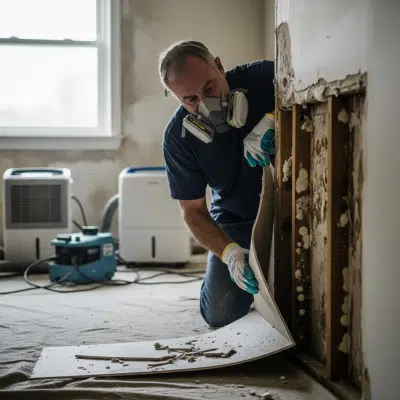
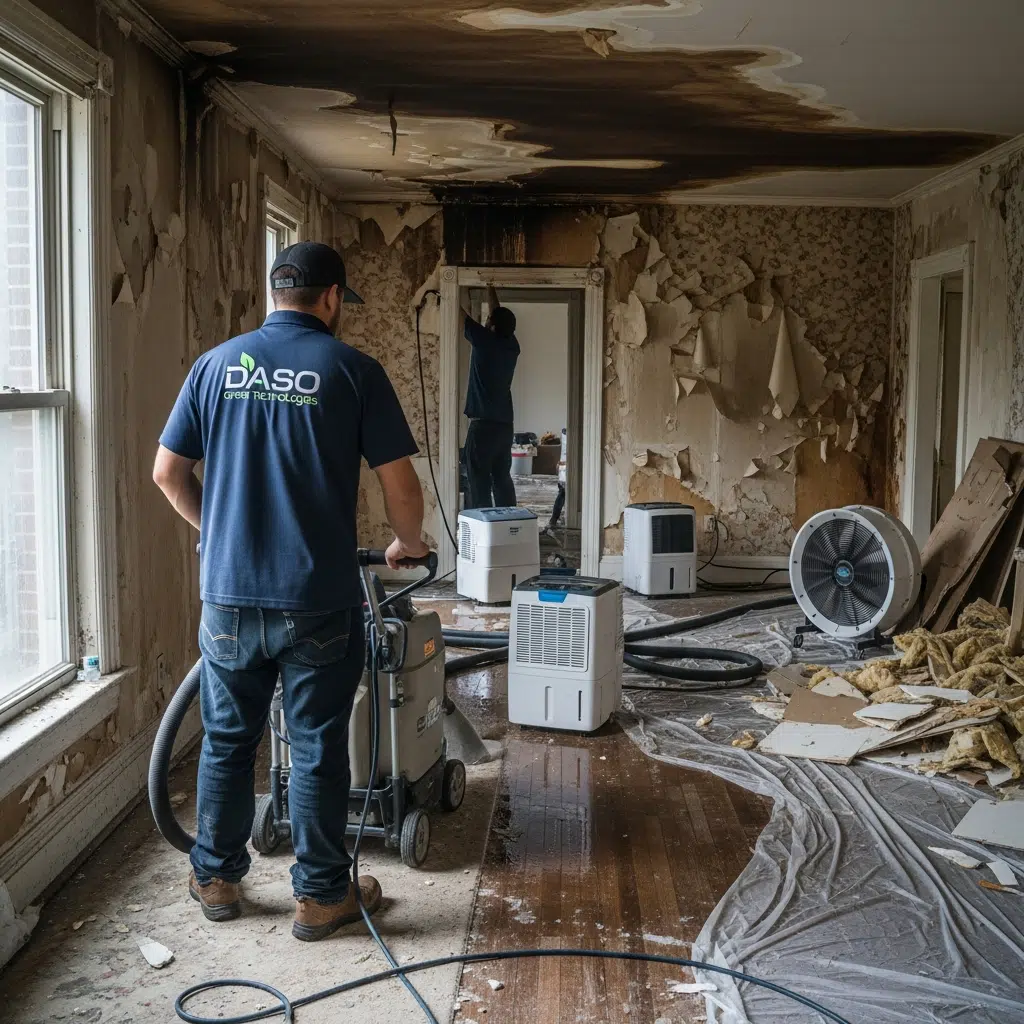
To prevent cross-contamination—particularly if mold or sewage is present—we establish containment zones. This involves sealing off affected areas with heavy-duty plastic sheeting and utilizing negative air pressure to ensure that airborne particulates do not spread to occupied apartments or common hallways.
3. Water Extraction and Remediation
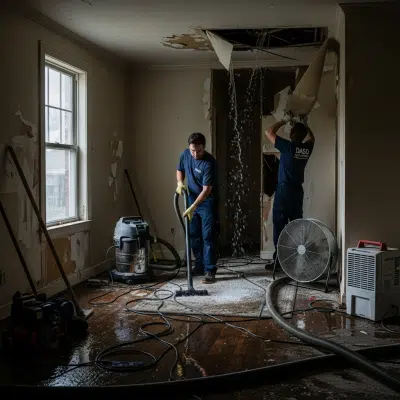
We utilize truck-mounted extraction units and industrial submersible pumps to remove standing water immediately. This step is critical in halting the absorption of water into porous materials like concrete and drywall.
4. Drying and Dehumidification
Once standing water is removed, we deploy industrial air movers and desiccant dehumidifiers. These machines draw moisture out of structural materials and the air, bringing the relative humidity down to safe levels to inhibit mold growth.
5. Cleaning and Sanitization
All restorable items and surfaces are cleaned using EPA-registered antimicrobial agents. This step is vital for neutralizing odors and eliminating bacteria or fungi. We also employ HEPA vacuuming to remove fine particulates.
6. Restoration and Reconstruction
The final phase involves repairing or replacing materials that were removed, such as drywall, flooring, and insulation. Our goal is to return the property to a safe, habitable condition with minimal disruption to tenants.
7. Post-Service Verification
We do not consider the job complete until final moisture readings confirm the building is dry and, where applicable, air quality testing verifies the environment is safe.
Real-World Scenarios Requiring Immediate Response
Property managers in New York City, Westchester, and Long Island should contact DASO Green Technologies immediately in the following scenarios:
- Supply Line Failures: High-pressure water leaks on upper floors affecting multiple vertical units.
- Storm Flooding: Ground-level or basement flooding affecting electrical rooms, boiler rooms, or storage areas.
- Sewage Backups: Toilet overflows or main line backups introducing hazardous waste into living spaces.
- Fire Suppression Discharge: Water damage resulting from sprinkler system activation.
Contact Us for Immediate Assistance
Time is the most critical factor in minimizing loss during a water emergency. Trust the professionals at DASO Green Technologies to protect your property and your tenants with discretion, compliance, and speed.
Service Areas: New York City, Long Island, Westchester
Call Now for Emergency Service: 929-472-3899