A nor’easter is expected to impact our region on Tuesday, bringing heavy rain, strong winds, and a heightened threat of nor’easter flooding across New York City, Long Island, and Westchester. These storms are known for overwhelming drainage systems, pushing water into basements and ground-level spaces, and driving wind-driven rain into roofs, windows, and building envelopes. The result can be rapid water intrusion, property damage, and dangerous conditions for homeowners and businesses.
Do not wait until the water is inside. Storm preparedness must happen now—before conditions deteriorate and emergency services become delayed. DASO Green Technologies is on standby 24/7 for immediate assistance with extraction, structural drying, dehumidification, and mold prevention. If you suspect water intrusion or flooding, call 929-472-3899 for emergency water damage cleanup and response.
What Is a Nor’easter—and Why It Floods NYC and Long Island So Often
A nor’easter is a powerful coastal storm that typically forms along the U.S. East Coast and draws in moist ocean air while colliding with colder air masses. The name comes from the strong northeasterly winds that often accompany the storm. In our region, nor’easters are especially damaging because they combine:
- Prolonged heavy rainfall that saturates soil and overwhelms storm drains
- Strong winds that drive rain into vulnerable building openings and lift roofing materials
- Coastal and tidal impacts that can impede drainage and force water back into low-lying areas
- Dense urban infrastructure where runoff accumulates quickly and drains can back up
NYC and Long Island are particularly vulnerable due to low-lying neighborhoods, older building stock, basement apartments and commercial basements, and drainage networks that can become overloaded during intense downpours. For many properties, it takes only one vulnerable point—an aging roof seam, a clogged gutter, a foundation crack, or a failed sump pump—for water intrusion to escalate into major loss.
Primary Nor’easter Risks to Homes and Commercial Properties
Tuesday’s storm conditions create a high likelihood of widespread water entry and secondary damage. Below are the most common issues we see during NYC storm damage restoration calls and Long Island flood response events:
- Basement flooding: Rising groundwater, overwhelmed drains, and sump pump failure can flood basements quickly.
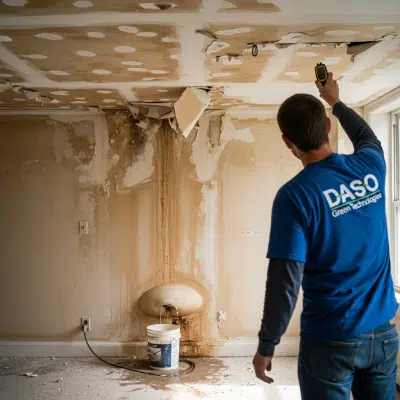
- Roof leaks and wind-driven rain intrusion: Missing shingles, compromised flashing, and clogged roof drains allow water into attics, ceilings, and walls.
- Drain and sewer backups: Heavy rainfall can overload municipal systems, forcing contaminated water back through floor drains and plumbing fixtures.
- Structural saturation: Drywall, insulation, subflooring, and framing absorb water, weakening materials and increasing repair scope.
- Mold growth: Moisture trapped in walls and under flooring creates an ideal breeding environment.
- Electrical hazards: Water near outlets, panels, appliances, or wiring increases shock and fire risk—especially in basements and utility rooms.
Prepare NOW—Before Tuesday’s Nor’easter Arrives
Storm response is far more effective when it begins before the first inches of water appear. Once the storm hits, road closures, fallen debris, and high call volumes can slow assistance and increase damage. Taking proactive steps today can significantly reduce the risk of severe water intrusion and speed recovery.
Immediate Storm Preparedness Checklist (Do This Today)
- Clear gutters and downspouts: Remove leaves and debris so water drains away from the roofline instead of spilling against siding and foundations.
- Verify sump pump operation: Test the pump, confirm the float switch works, and consider a battery backup. A failed sump pump is a leading cause of basement flooding.
- Inspect and seal entry points: Check foundation cracks, basement windows, bulkhead doors, and utility penetrations. Use appropriate sealants or weather-stripping as needed.
- Elevate valuables and critical inventory: Move electronics, documents, furniture, and boxed goods off basement floors and low shelves. Use plastic bins and elevate items on pallets when possible.
- Secure outdoor items: Strong winds can turn patio furniture, garbage cans, and construction materials into projectiles. Bring items inside or secure them tightly.
- Locate your main water shutoff: Know exactly where it is and ensure it can be turned. In an emergency, rapid shutoff can limit damage from broken lines or storm-related plumbing failures.
- Check floor drains and backflow prevention: If you have a backwater valve, confirm it is functioning. If not, consider professional guidance—sewer backups can be hazardous.
- Document current conditions: Take quick photos of basements, mechanical rooms, inventory areas, and vulnerable spaces for records.
Why Delaying Water Damage Cleanup Is Dangerous
After a nor’easter, the most costly mistake property owners make is waiting. Water spreads fast, wicks upward into drywall, and saturates insulation and subflooring. Even if surfaces appear “drying,” moisture may remain trapped inside building materials.
Mold can begin developing within 24–48 hours in damp conditions. As time passes, the likelihood of:
- hidden moisture pockets
- structural deterioration
- persistent odors
- air quality concerns
- larger demolition and rebuild scope
increases significantly. For businesses, delays can also mean extended downtime, inventory loss, and compliance issues—especially when water affects electrical systems, occupied spaces, or customer-facing areas.
DASO Green Technologies: 24/7 Emergency Response for Tuesday’s Storm
DASO Green Technologies provides professional, rapid-response restoration services for property owners across New York City, Long Island, and Westchester. When storm water intrudes, immediate action is essential to reduce damage and prevent mold.
Our emergency services include:
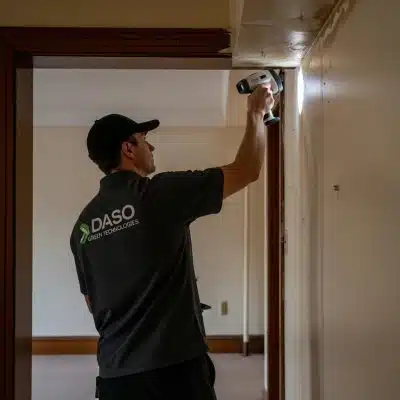
- Immediate on-site assessment and safety guidance
- Rapid water extraction for basements, crawlspaces, and commercial spaces
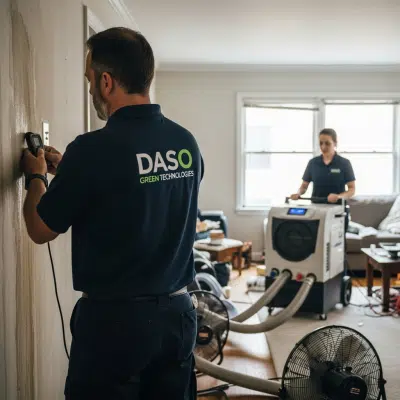
- Structural drying using professional-grade air movers and drying strategies
- Dehumidification to remove moisture from the air and materials
- Moisture mapping and monitoring to confirm drying progress
- Mold prevention and targeted mitigation steps when necessary
If you need emergency water damage cleanup, NYC storm damage restoration, or Long Island flood response, our team is prepared to respond—day or night.
What to Do If Water Intrusion Starts During the Storm
If you notice flooding or active leaks, prioritize safety:
- Avoid standing water, especially near outlets, appliances, or electrical panels.
- Shut off electricity to affected areas if it is safe to do so (when in doubt, wait for professionals).
- Stop the source if possible (temporary containment, shutoff valves, or safe diversion).
- Call immediately—early response reduces the spread of moisture and limits mold risk.
Call Now—Help Is Available Immediately
Tuesday’s nor’easter may cause widespread flooding and water intrusion across the region. Do not wait for visible damage to worsen. Storm preparedness today can prevent severe loss tomorrow—and if water enters your property, rapid professional drying is essential.
DASO Green Technologies is available 24/7 for immediate emergency response. Call 929-472-3899 now to schedule standby support or request urgent service. If you need help immediately, we are ready to mobilize for extraction, drying, dehumidification, and mold prevention.
Protect your property. Prepare now. If water hits, call 929-472-3899.