Mold After a Flood: What Must Be Removed vs. Cleaned
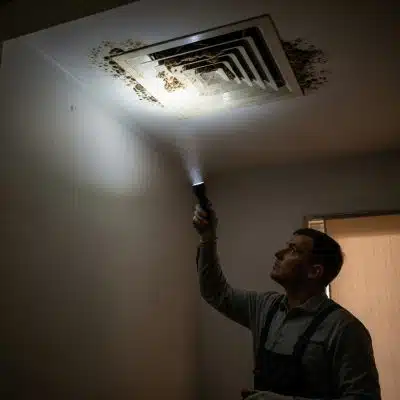
Following a significant storm or plumbing catastrophe, the immediate presence of water is only the first phase of the disaster. For homeowners, property managers, and business owners in New York City, Long Island, and Westchester, the secondary threat—microbial growth—poses a far greater long-term risk to health and structural integrity. Understanding the distinction between materials that can be salvaged through professional remediation and those that must be demolished is critical for effective mold after flood damage management.
At DASO Green Technologies, we specialize in distinguishing between salvageable assets and contaminated materials. Speed is the enemy of preservation; within 24 to 48 hours of water intrusion, mold spores begin to colonize damp organic materials. Professional intervention is not merely a recommendation; it is a necessity to ensure safety and compliance.
The Science of Salvageability: Porous vs. Non-Porous
When assessing water damage mold removal, the primary factor determining the remediation strategy is the porosity of the material. Floodwaters, particularly those originating from storms or sewage backups, are often classified as Category 3 (Black Water), containing heavy metals, bacteria, and sewage. Even Category 1 (Clean Water) quickly degrades into Category 2 or 3 if left stagnant.
Materials That Typically Require Removal
Porous materials absorb water deep into their matrix, allowing mold hyphae (roots) to penetrate where surface cleaning cannot reach. In almost all cases of significant flooding, the following must be professionally removed and disposed of:
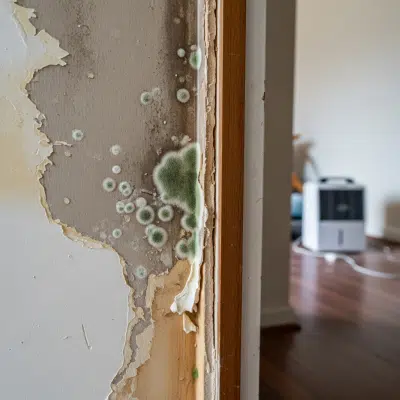
- Drywall and Gypsum Board: Once drywall absorbs water, it loses structural integrity. More importantly, the paper backing provides a perfect food source for mold. Remediation involves cutting out affected sections, typically 2 to 4 feet above the water line.
- Insulation: Fiberglass, cellulose, and mineral wool insulation act like sponges. They hold moisture against studs and sheathing, promoting hidden rot. Wet insulation cannot be effectively cleaned and must be replaced.
- Carpeting and Padding: While some high-value rugs can be taken off-site for specialized washing, installed wall-to-wall carpet and, specifically, the foam padding underneath, are usually unsalvageable after a flood due to the inability to fully sanitize the porous fibers.
- Ceiling Tiles: Acoustical ceiling tiles are highly porous and will sag, stain, and harbor mold rapidly.
Materials That Can Often Be Cleaned and Restored
Non-porous and semi-porous materials are more resistant to water penetration. With professional flood mold remediation techniques, these surfaces can often be saved:
- Concrete and Masonry: While concrete is semi-porous, it can be scrubbed, treated with antimicrobials, and dried using industrial dehumidification.
- Metal and Glass: These non-porous surfaces generally respond well to cleaning and sanitization, provided corrosion has not compromised the material.
- Solid Lumber (Framing): Unlike composite woods, solid structural lumber can often be sanded, wire-brushed, and treated with encapsulants or antimicrobials, provided rot has not set in.
The Hidden Dangers of DIY Cleanup
Many property owners attempt to mitigate post-flood cleanup on their own, often exacerbating the issue. Surface cleaning with bleach is ineffective against mold on porous surfaces and does not address the moisture hidden within wall cavities. Furthermore, disturbing mold colonies without proper containment releases millions of spores into the air, contaminating the HVAC system and unaffected rooms.
The health risks associated with improper handling of flood-damaged materials are severe. Exposure to high concentrations of mold spores and mycotoxins can lead to respiratory distress, allergic reactions, and severe complications for immunocompromised individuals. This is why DASO Green Technologies adheres to strict safety protocols, ensuring that contamination is contained and removed safely.
Recommended Industry Resource
Understanding the extent of moisture intrusion is the first step in recognizing the severity of water damage. While professional assessment is mandatory for remediation, property owners and facility managers can benefit from understanding how professionals detect invisible moisture pockets.
The FLIR Thermal Moisture Meter is an advanced diagnostic tool used in the industry to locate moisture beneath surfaces. By combining thermal imaging with moisture measurement, this technology assists in identifying wet areas that appear dry to the naked eye. While this tool provides valuable insight for building inspection, it does not replace the comprehensive moisture mapping and remediation services provided by certified environmental professionals.
The DASO Green Technologies Remediation Process
We provide a comprehensive, scientifically backed approach to restoration. Our process ensures that your property in NYC, Long Island, or Westchester is returned to a pre-loss condition safely.
1. Assessment and Moisture Mapping
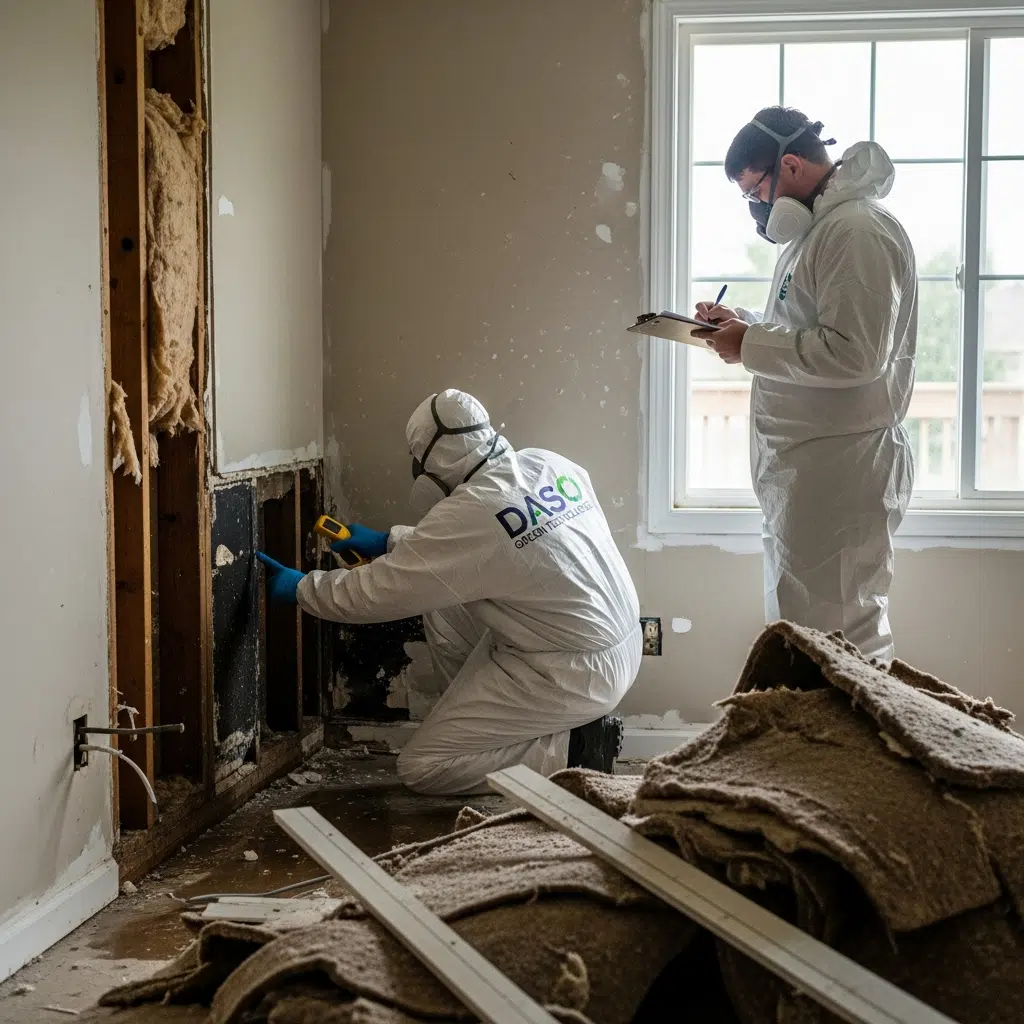
Our certified technicians utilize infrared cameras and hygrometers to map the full extent of the water migration. We identify not just visible mold, but hidden moisture reservoirs behind walls and under floorboards.
2. Containment and Isolation
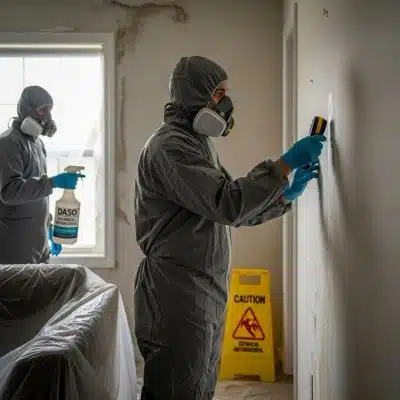
To prevent cross-contamination, we establish critical barriers using heavy-duty plastic sheeting. We utilize negative air machines equipped with HEPA filtration to ensure that spores disturbed during demolition are captured immediately and not circulated throughout the building.
3. Controlled Demolition and Remediation
Unsalvageable materials (drywall, insulation, carpet) are removed under negative pressure. All contaminated debris is bagged and sealed before being removed from the containment zone, adhering to strict disposal regulations.
4. Structural Drying and Cleaning
Once wet materials are removed, we employ industrial-grade air movers and dehumidifiers to draw remaining moisture from the structural framing. Surfaces are cleaned using EPA-registered antimicrobials to eliminate remaining fungal ecology.
5. Post-Remediation Verification
We do not consider the job done until verification criteria are met. This ensures that the environment is safe for re-occupancy and that the underlying moisture issue has been fully resolved.
Why Choose DASO Green Technologies?
In the high-density environments of New York City and the residential expanses of Westchester and Long Island, water damage requires a swift, decisive response. DASO Green Technologies brings certified expertise, hospital-grade equipment, and a commitment to discretion and safety.
We understand that flood damage interrupts lives and halts business operations. Our goal is to minimize downtime while maximizing safety. Do not leave the safety of your property to chance or ineffective DIY methods.
If you have experienced flooding, contact us immediately. Early intervention is the key to saving your property.
Contact DASO Green Technologies today at 929-472-3899 for a professional consultation.