Beyond the Surface: The Hidden Structural Strain Hoarding Puts on NYC Brownstones and Co-ops
In the vibrant, densely populated areas of New York City, Long Island, and Westchester, properties like historic brownstones, co-ops, and apartment buildings are cherished for their character and location. However, beneath their charming exteriors, a silent and insidious threat can compromise their very foundations: the often-unseen structural damage from hoarding. This issue extends far beyond mere clutter, posing severe risks to health, safety, and the long-term integrity of these valuable properties. For homeowners, property managers, and businesses, understanding these profound implications is critical, as is knowing when to seek professional hoarding cleanup NYC services.
The Silent Threat: Hoarding’s Impact on Property Integrity
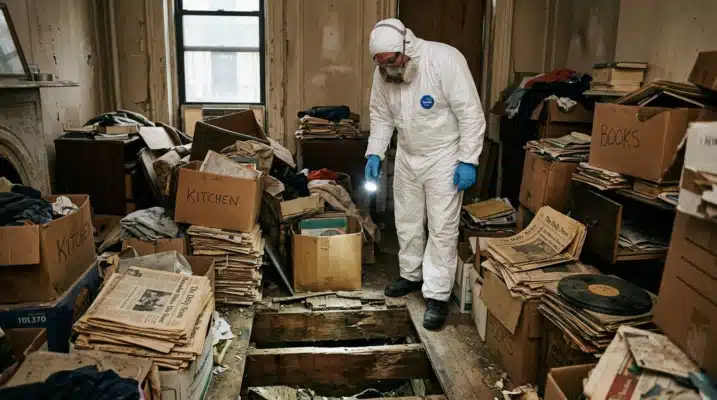
The accumulation of possessions characteristic of hoarding behavior can lead to a significant increase in load-bearing stress on a property’s structure. Over time, the sheer weight of heavy clutter dangers—from stacks of newspapers and books to furniture, appliances, and personal items—can exceed design specifications for floors, walls, and foundations. This constant, unaddressed strain manifests as a critical form of structural damage from hoarding, particularly problematic in older buildings not originally designed for such concentrated weight distribution.
Specific structural risks include:
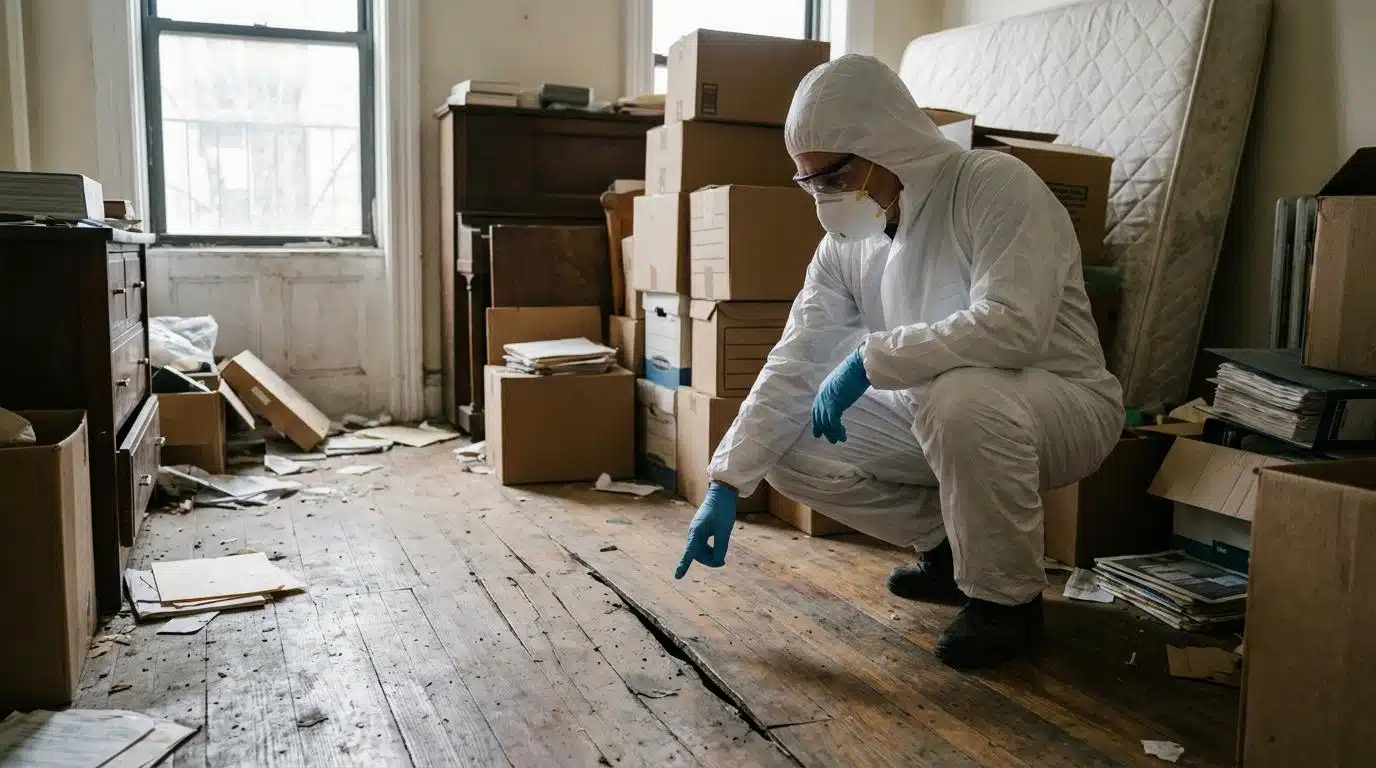
- Compromised Floor Joists: Floors can begin to bow, crack, or even collapse under excessive weight, leading to uneven surfaces and potential hazards.
- Weakened Foundations and Walls: Prolonged stress can lead to cracks in foundations and load-bearing walls, affecting the building’s overall stability.
- Roof and Ceiling Degradation: If clutter extends to upper levels, it can stress ceilings and roofs, exacerbating existing leaks or causing new structural failures.
- Apartment Structural Risks: In multi-unit dwellings like co-ops, the structural compromise in one unit can have ripple effects, impacting adjacent units and common areas. Brownstone hoarding problems are particularly challenging due to their multi-story nature and often shared structural elements.
Addressing these issues is not merely about aesthetic improvement; it’s about preventing catastrophic structural failure and preserving the significant investment in these properties.
Beyond Structure: Compounding Health and Safety Hazards
While structural threats are paramount, hoarding environments introduce a cascade of other severe hazards.
Indoor Air Quality Deterioration: Mold, Pests, Allergens
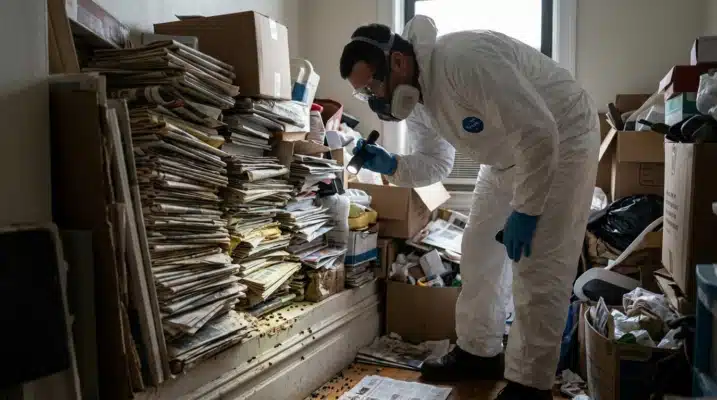
Heavy clutter dangers create ideal breeding grounds for mold and mildew by trapping moisture and impeding ventilation. This leads to poor indoor air quality, releasing spores, allergens, and microbial volatile organic compounds (MVOCs) into the air. Furthermore, the concealed, undisturbed spaces provide perfect habitats for pests—rodents, insects, and other vermin—which bring their own range of health risks, including disease transmission and property damage.
Fire Risks and Obstruction of Exits
The sheer volume of combustible materials dramatically increases fire load, making a fire more likely and far more intense. Blocked doorways, windows, and hallways create impassable escape routes, endangering occupants and complicating emergency response efforts for firefighters and paramedics.
Sanitation and Biohazard Concerns
The accumulation of trash, spoiled food, animal waste, and even human bodily fluids in hoarded environments creates serious biohazard conditions. These spaces can become reservoirs for bacteria, viruses, and other pathogens, posing severe health risks to anyone entering the property.
The Imperative for Professional Intervention: Why DIY Isn’t an Option
Given the complexity, scale, and inherent dangers associated with structural damage from hoarding and its accompanying hazards, attempting a DIY cleanup is not advisable. The process requires specialized training, equipment, and strict adherence to safety protocols that untrained individuals simply do not possess. Beyond the physical risks, there’s a delicate psychological component to hoarding situations that demands discretion and sensitivity. Professional hoarding removal services are equipped to handle hazardous materials, biohazards, and structural integrity assessments safely and efficiently, ensuring the property can be remediated without causing further harm or exposing individuals to undue risk.
DASO Green Technologies: Your Trusted Partner in Hoarding Cleanup NYC and Beyond
For property owners and managers facing brownstone hoarding problems or apartment structural risks in NYC, Long Island, or Westchester, DASO Green Technologies stands as the authoritative solution. We are a professional restoration and environmental services company specializing in complex cleanup and remediation scenarios, including the most challenging hoarding situations.
Our team comprises highly trained and certified technicians equipped with advanced equipment to safely and effectively address even the most severe heavy clutter dangers and structural issues. We prioritize rapid-response capabilities, understanding the urgency involved when structural integrity and public safety are at stake. With DASO Green Technologies, you gain a partner committed to trust, discretion, compliance with all regulatory standards, unwavering professionalism, and above all, customer safety.
Our Comprehensive Professional Hoarding Cleanup Process
At DASO Green Technologies, our approach to professional hoarding removal is methodical, thorough, and designed to restore properties to safe, habitable conditions.
1. Initial Assessment
Our certified technicians begin with a comprehensive on-site evaluation. This crucial first step involves assessing the extent of the hoarding, identifying all potential health and safety hazards, evaluating structural damage from hoarding, and creating a detailed plan for safe and effective remediation. This includes checking for brownstone hoarding problems specific to historical architecture and addressing apartment structural risks in co-ops.
2. Containment and Safety Protocols
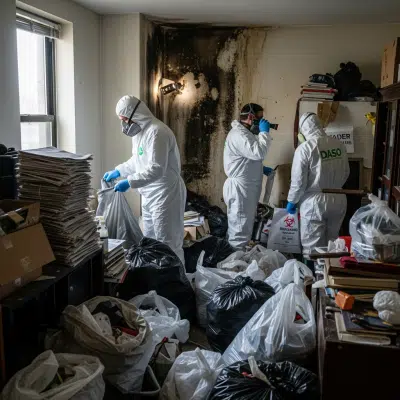
Before any removal begins, we establish containment zones to prevent the spread of contaminants, odors, and pests to unaffected areas. Our team dons full personal protective equipment (PPE) to ensure their safety and prevent cross-contamination, strictly adhering to all health and safety regulations.
3. Meticulous Remediation
This phase involves the careful and systematic removal of all accumulated items. Our goal is to declutter responsibly, sorting items for disposal, donation, or responsible recycling while safeguarding valuables or important documents identified during the assessment. We meticulously remove all heavy clutter dangers and any identified hazardous materials or biohazards.
4. Deep Cleaning and Sanitization
Once items are removed, the property undergoes a rigorous deep cleaning and sanitization process. This includes specialized techniques for odor removal, disinfection of all surfaces, and thorough cleaning to eliminate traces of mold, bacteria, pests, and other contaminants, ensuring vastly improved indoor air quality.
5. Structural Restoration and Repairs
After the property is cleared and cleaned, we focus on restoring any areas that suffered structural damage from hoarding. This may involve repairing or reinforcing floors, walls, and other compromised structural elements. Our goal is to mitigate apartment structural risks and address any brownstone hoarding problems with expert care, returning the property to its original integrity.
6. Post-Service Verification
The final stage involves a thorough post-remediation inspection to ensure all work has been completed to the highest standards. We verify the air quality, check for complete sanitization, and conduct a walkthrough with the client to ensure their satisfaction and that the property meets all safety and habitability criteria.
When to Call DASO Green Technologies Immediately
Do not hesitate to contact DASO Green Technologies if you observe any of the following in NYC, Long Island, or Westchester:
- Visible structural damage like bowing floors, cracked walls, or sagging ceilings.
- Overwhelming foul odors indicating serious sanitation issues or biohazards.
- Evidence of extensive pest infestations (rodents, insects).
- Blocked doorways, windows, or hallways creating fire hazards.
- Persistent respiratory issues or unexplained illnesses among occupants.
Protect Your Property and Well-Being
The hidden structural strain and associated hazards of hoarding pose a serious threat to the longevity and safety of brownstones, co-ops, and other properties across NYC, Long Island, and Westchester. Ignoring these signs can lead to irreparable damage and significant health risks. DASO Green Technologies provides the professional hoarding cleanup NYC services needed to meticulously address these complex challenges with expertise, discretion, and unwavering commitment to safety.
Don’t let hidden heavy clutter dangers compromise your property. For a professional, discreet, and effective solution to structural damage from hoarding, call DASO Green Technologies today at 929-472-3899. We are here to restore safety, integrity, and peace of mind to your property.