Why Bleach Does NOT Kill Mold on Porous Materials: The Dangers of Improper Remediation
For decades, homeowners and property managers have relied on a common household staple to combat fungal growth: chlorine bleach. While bleach is an effective sanitizer for hard, non-porous surfaces like countertops and tiles, it is fundamentally ineffective—and potentially dangerous—when used to treat mold on porous materials such as drywall, wood, and concrete. Understanding does bleach kill mold effectively requires looking beyond the surface level.
At DASO Green Technologies, we prioritize the health and safety of residents and employees across New York City, Long Island, and Westchester. This article explains why relying on bleach is a critical error in property maintenance and why professional intervention is necessary to ensure true remediation.
The Science: Why Bleach Fails on Porous Surfaces
Mold is a fungus that grows in a root-like structure called hyphae. On porous materials, these roots penetrate deep into the substrate. Chlorine bleach has a high surface tension, which prevents it from soaking into porous materials. When applied, the chlorine stays on the surface, while the water component of the bleach solution penetrates the material.
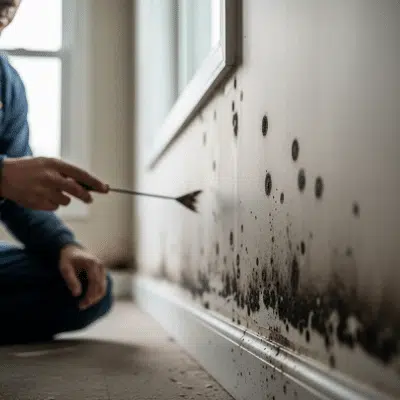
This creates a dangerous cycle. The surface mold may appear to vanish because the bleach has depigmented (whitened) the spores, giving a false illusion of cleanliness. However, the water that soaked into the material actually feeds the roots, often causing the mold to return stronger and more aggressively within days. This is a classic example of improper mold removal, which can exacerbate structural damage and health risks.
Health Risks and Indoor Air Quality
Attempting to clean mold with bleach poses significant health risks. Mold spores are microscopic and easily become airborne when disturbed. Scrubbing a colony with bleach releases these spores and mycotoxins into the air, drastically degrading indoor air quality. For individuals with asthma, allergies, or compromised immune systems, this exposure can lead to severe respiratory issues.
Furthermore, mixing bleach with other common cleaning agents (such as ammonia) can create toxic fumes. True safety requires controlled containment and advanced filtration, protocols that are strictly followed during a professional mold cleanup.
The Critical Role of Professional Intervention
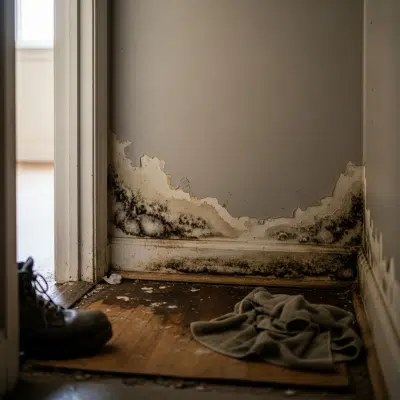
Mold remediation is not a DIY project. The visible growth is often just the symptom of a larger moisture issue hidden behind walls or under floorboards. Without addressing the source and removing the contamination safely, the structural integrity of the property remains at risk.
DASO Green Technologies provides expert environmental services backed by certified technicians and industrial-grade technology. We serve residential and commercial clients throughout NYC, Long Island, and Westchester, ensuring that contamination is not just covered up, but physically removed.
Recommended Industry Resource
While professional remediation is required for active infestations, maintaining a mold-resistant environment is key for long-term prevention. For homeowners looking to understand industry-standard solutions for minor surface maintenance or prevention on appropriate materials, there are specialized formulations available that differ significantly from bleach.
We recognize Concrobium Mold Control as a resource often discussed in the environmental safety industry. Unlike bleach, this product is formulated to dry on surfaces and crush spores, offering a distinct approach to fungal management without harsh chemicals. Please note: This product is for educational and maintenance purposes and is not a substitute for professional remediation of established mold colonies or water-damaged infrastructure.
The DASO Green Technologies Mold Remediation Process
Effective remediation requires a systematic, scientific approach. Our mold remediation process adheres to strict industry standards to ensure the property is returned to a safe, pre-loss condition.
- Assessment: Our process begins with a comprehensive inspection to identify the source of moisture and the extent of the growth.
- Containment: To prevent cross-contamination, we establish containment zones using heavy-duty plastic sheeting and negative air pressure machines.
- Remediation: We physically remove compromised porous materials (such as drywall and insulation) that cannot be salvaged.
- Cleaning: All remaining structural elements are cleaned using HEPA vacuuming and antimicrobial treatments specifically designed for mold elimination.
- Restoration: Once the area is verified clean, we proceed with restoration repairs to rebuild the affected areas.
- Post-Service Verification: We conduct final testing to confirm that the indoor environment is safe for re-entry.
When to Call a Professional Immediately
Time is of the essence when dealing with fungal contamination. If you detect a musty odor, see visible growth covering an area larger than 10 square feet, or have recently experienced significant water damage, immediate professional assessment is vital. Delaying service or attempting DIY fixes can lead to escalated costs and health hazards.
Trust DASO Green Technologies for discretion, compliance, and rapid response. We are dedicated to restoring the safety of your environment with precision and care.
Contact us today for a consultation: 929-472-3899