Safeguarding Indoor Air Quality After Water Damage
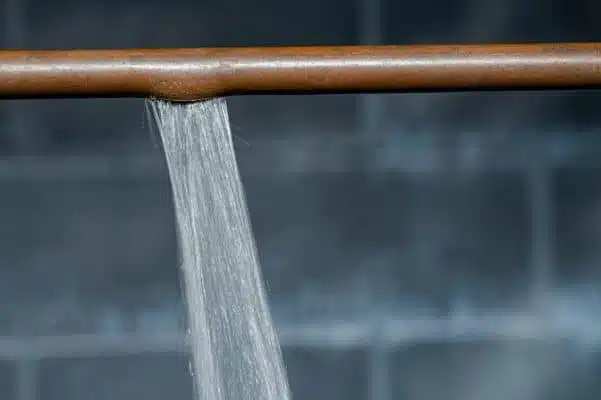
Water intrusion events—whether resulting from burst pipes, storm surges, or sewage backups—pose an immediate threat to the structural integrity of a building. However, a less visible but equally critical danger often follows moisture intrusion: the rapid degradation of indoor air quality. For homeowners, property managers, and business owners in New York City, Long Island, and Westchester, understanding the relationship between water damage and airborne contaminants is essential for maintaining a safe environment.
DASO Green Technologies specializes in the comprehensive restoration and remediation of properties affected by water damage. We recognize that true restoration goes beyond drying visible surfaces; it requires a rigorous approach to ensuring the air you breathe is free from mold spores, bacteria, and volatile organic compounds.
The Invisible Threat: Air Quality Risks Following Water Intrusion
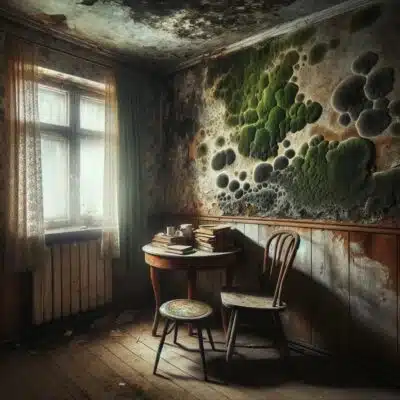
When water saturates building materials such as drywall, insulation, and carpeting, it creates an ideal breeding ground for microbial growth. Within 24 to 48 hours of a water event, dormant mold spores in home environments can activate, multiply, and become airborne. This proliferation significantly impacts indoor air quality after water damage, often before visible signs of mold appear.
The risks associated with compromised air quality include:
- Microbial Volatile Organic Compounds (MVOCs): These compounds are responsible for the unpleasant, musty odors after flooding. They indicate active microbial growth and can cause respiratory irritation.
- Bioaerosols: In cases of category 2 (grey water) or category 3 (black water) losses, bacteria and viruses can aerosolize, posing severe health risks to occupants.
- Particulate Matter: As water-damaged materials degrade, they release fine dust and particulates that can aggravate asthma and allergies.
Why Professional Intervention is Critical
A common misconception is that opening windows or using standard residential fans is sufficient to handle water damage. This approach is not only ineffective but can also be dangerous. Improper airflow can spread contaminants to unaffected areas of the property, complicating the remediation process. Furthermore, standard cleaning methods do not address moisture trapped inside wall cavities or under flooring.
Professional remediation is non-negotiable to ensure regulatory compliance and occupant safety. DASO Green Technologies employs certified technicians who understand the physics of psychrometry (air drying) and the biology of microbial remediation. We utilize industrial-grade equipment to control the environment, preventing cross-contamination.
The DASO Green Technologies Remediation Process
To restore indoor air quality after water damage, we adhere to a strict, industry-standard workflow designed to eliminate contaminants and restore the property to pre-loss conditions.
1. Professional Assessment and Testing
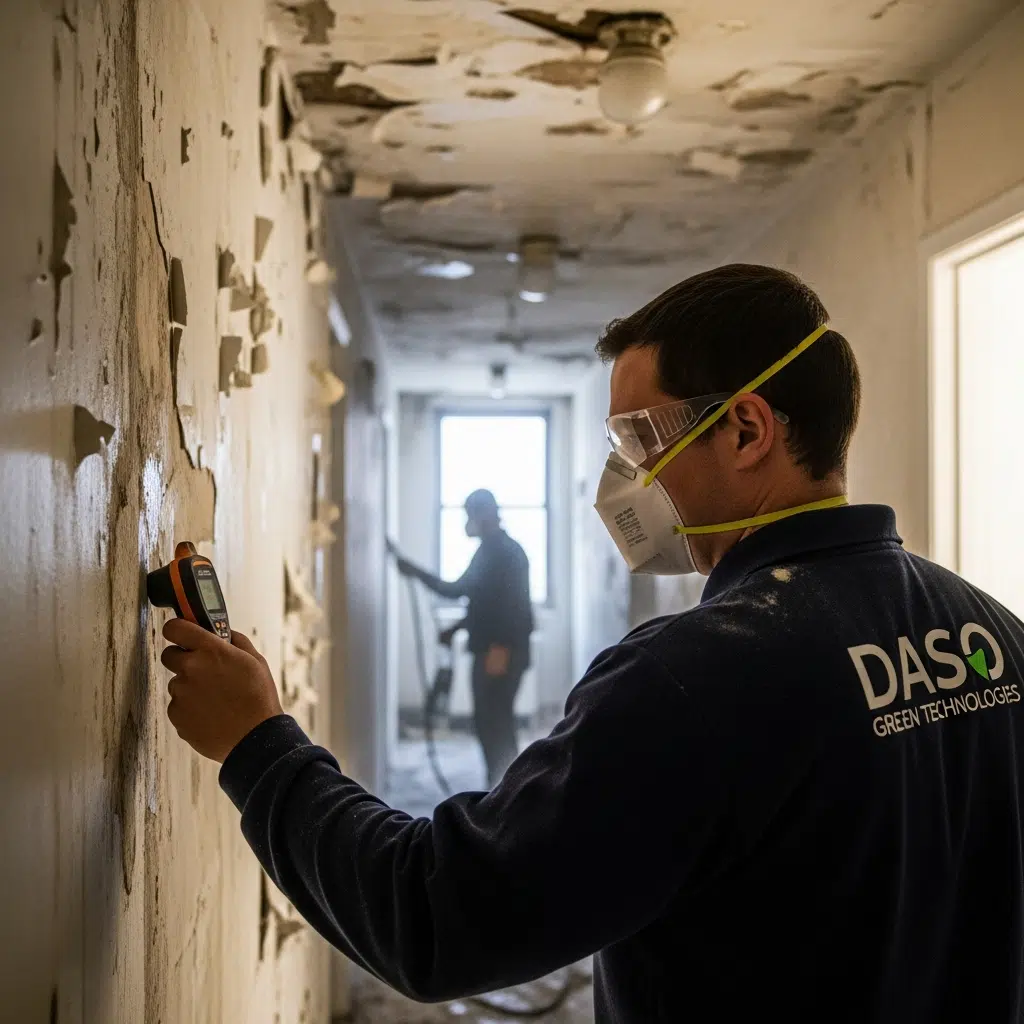
The process begins with a thorough inspection using moisture meters and thermal imaging cameras to identify the extent of water migration. If microbial growth is suspected, we may recommend professional air quality testing services to establish a baseline of contaminant levels.
2. Containment
To prevent the spread of mold spores and dust, we establish critical containment barriers. This isolates the affected area from the rest of the property, ensuring that the remediation process does not contaminate living or working spaces.
3. Remediation and Removal
Irreversibly damaged materials are removed under negative air pressure. This step is crucial for removing the source of contamination rather than simply covering it up.
4. Cleaning and Air Scrubbing
We utilize advanced air scrubbers for mold and particulate removal. These machines are equipped with HEPA filtration systems that capture 99.97% of airborne particles. Simultaneous structural drying and surface cleaning ensure that remaining materials are sanitized.
5. Restoration
Once the area is dry and clean, reconstruction begins. This involves replacing drywall, flooring, and painting, returning the property to its functional state.
6. Post-Service Verification
Post-water damage cleanup verification ensures that moisture levels have returned to dry standards and that no abnormal fungal ecology remains. This provides peace of mind that the environment is safe for re-occupancy.
Recommended Industry Resource
While professional remediation is required to resolve active water damage and mold issues, maintaining awareness of your home’s air quality is a proactive measure for general health. For homeowners interested in monitoring their environment or maintaining air purity in unaffected rooms, high-quality filtration systems can be a valuable educational and maintenance tool.
The Levoit Smart Air Purifier is an example of advanced residential technology that helps capture dust, pollen, and airborne particles. While it does not replace professional mold remediation or water damage restoration services, it serves as an excellent specialized tool for maintaining general indoor air quality in large rooms and providing real-time feedback on air conditions.
Real-World Scenarios: When to Call Immediately
Property owners in NYC, Long Island, and Westchester should contact DASO Green Technologies immediately in the following scenarios:
- Sewage Backups: Immediate health risk requiring specialized odor removal services and sanitization.
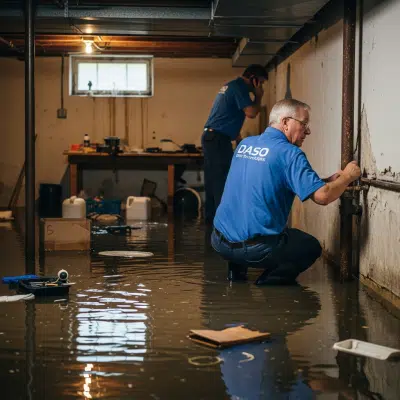
- Standing Water: Any accumulation of water from storms or pipe bursts requires rapid extraction to prevent structural rot.
- Persistent Odors: If musty odors after flooding persist despite surface cleaning, it indicates hidden moisture and microbial growth.
At DASO Green Technologies, we prioritize discretion, professionalism, and rapid response. Our teams are equipped to handle complex environmental challenges, ensuring your property is safe, compliant, and fully restored.
Do not compromise on safety. For immediate assistance with water damage and air quality concerns, contact us at 929-472-3899.