Coastal Long Island Homes: Managing Saltwater Damage and Corrosion
Living along the picturesque coast of Long Island offers unparalleled beauty and unique challenges. For homeowners, property managers, and businesses in these idyllic locations, the constant proximity to the ocean brings with it a specific, insidious threat: saltwater damage and corrosion. Unlike typical freshwater incidents, saltwater intrusion can inflict more rapid and severe degradation, demanding immediate and specialized intervention to protect property integrity, health, and safety.
The Insidious Threat: Understanding Saltwater Damage and Corrosion
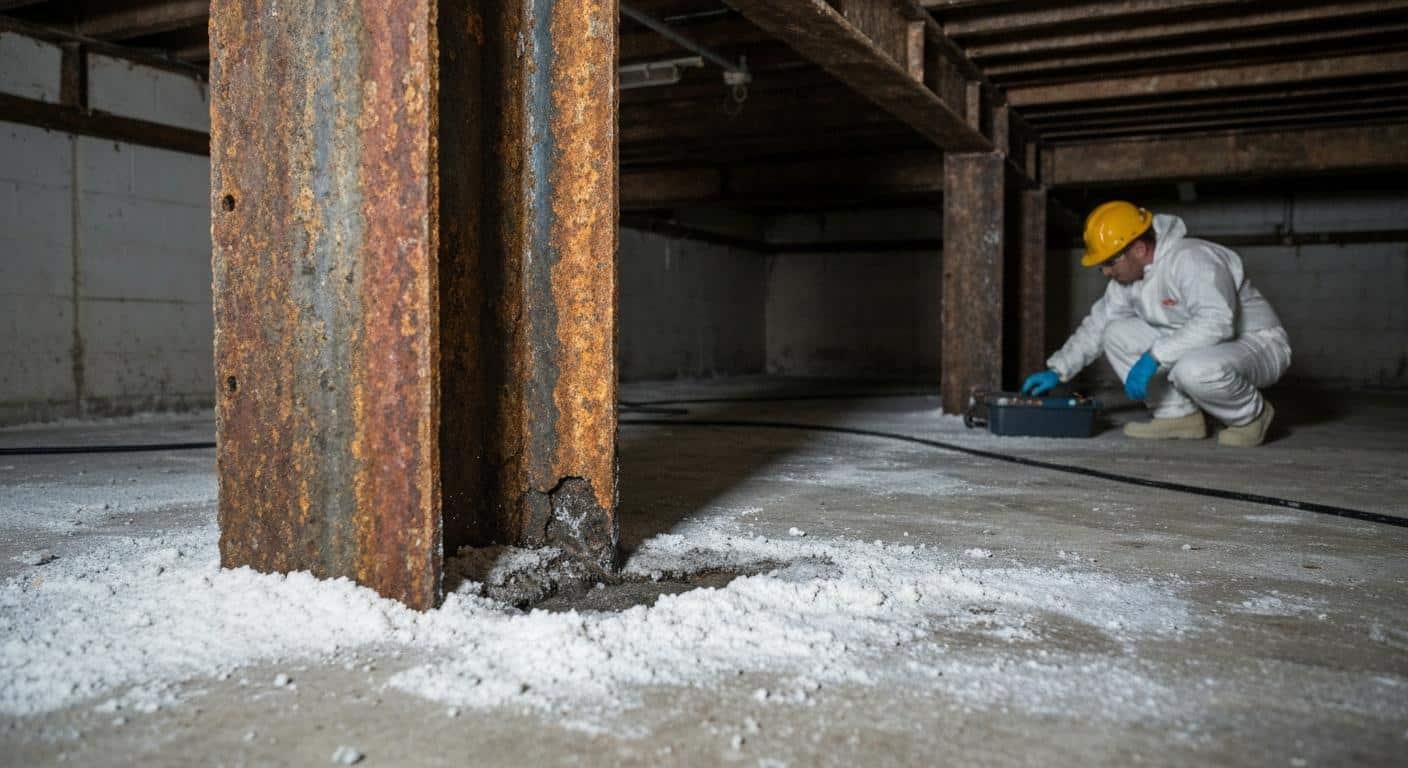
Saltwater is inherently more corrosive and destructive than freshwater. When saltwater floods a property, it introduces a potent mix of minerals and salts that accelerate the deterioration of virtually all building materials. Metals rust at an alarming rate, wood begins to rot and weaken, concrete can spall and crack as salts crystallize within its pores, and electrical systems are severely compromised, posing significant safety hazards. The persistent humidity in coastal environments further exacerbates these issues, contributing to an ongoing cycle of decay if not properly addressed. Beyond visible damage, the microscopic salt crystals left behind after water recedes continue to attract moisture, creating an environment ripe for mold growth and persistent structural threats.
The risks extend beyond mere property damage. Indoor air quality can be severely impacted by mold and mildew thriving in damp, salt-contaminated environments, leading to respiratory issues and allergic reactions for occupants. Electrical components, compromised by corrosive salts, become fire hazards. Furthermore, the structural integrity of a building can be dangerously undermined, transforming what might appear as surface-level damage into a foundational catastrophe, posing a direct threat to safety.
Why Professional Intervention is Non-Negotiable for Saltwater Damage
Addressing saltwater damage is far more complex than simple drying. The unique chemical properties of saltwater necessitate a specialized approach that goes well beyond what standard DIY methods or even general water damage contractors can provide. Attempting to manage saltwater damage without the correct expertise and equipment risks leaving behind corrosive residues and undetected moisture, which will inevitably lead to recurring problems, escalating costs, and prolonged health and safety hazards. Professional intervention is critical to ensure complete desalination, thorough drying, and comprehensive remediation, preventing long-term structural and environmental consequences.
DASO Green Technologies: Your Trusted Partner in Coastal Resilience
At DASO Green Technologies, we understand the specific challenges faced by properties in New York City, Long Island, and Westchester when confronting coastal flooding and saltwater damage. We are a professional restoration and environmental services company, equipped with industry-leading certifications, highly trained technicians, and state-of-the-art equipment designed for effective saltwater flood restoration. Our rapid-response capabilities ensure that we are on-site quickly, mitigating further damage and initiating a precise, systematic restoration process. Our commitment is to restore your property thoroughly and safely, adhering to the highest standards of compliance and professionalism.
Our Comprehensive Saltwater Flood Restoration Process
Successfully remediating saltwater damage requires a meticulous, multi-stage approach. DASO Green Technologies employs a proven step-by-step process to ensure every aspect of saltwater intrusion and corrosion is addressed, safeguarding your property and its occupants.
Step 1: Rapid Assessment and Damage Analysis
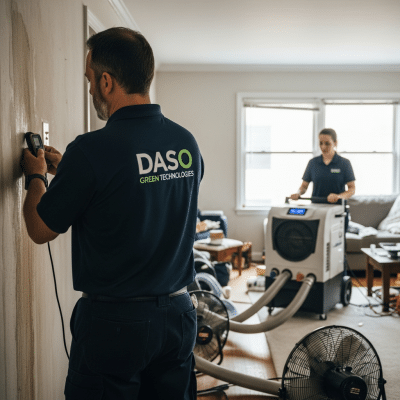
Upon arrival, our certified technicians conduct a thorough, forensic assessment of the affected property. This critical initial phase involves identifying all areas impacted by saltwater, determining the extent of structural compromise, and utilizing advanced moisture mapping technology to detect hidden saturation, even behind walls and under floors. This detailed analysis forms the blueprint for an effective saltwater flood restoration strategy.
Step 2: Strategic Containment
To prevent the further spread of corrosive saltwater, moisture, and potential contaminants, immediate containment measures are implemented. This may involve setting up physical barriers, establishing negative air pressure, and employing specialized equipment to isolate the affected zones. This crucial step minimizes the scope of damage and protects unaffected areas.
Step 3: Advanced Remediation and Desalination
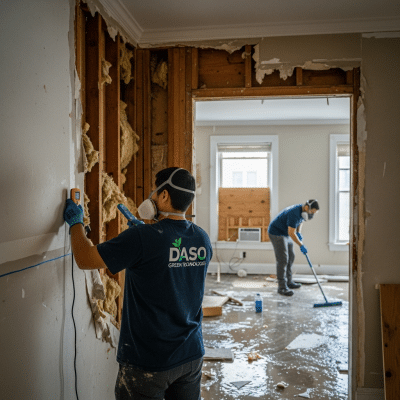
This is the core of effective saltwater damage repair. Our team employs specialized techniques for water extraction, followed by a meticulous desalination process. This involves careful cleaning to remove corrosive salt residues from surfaces, materials, and even within porous structures. Advanced drying equipment, precisely monitored, ensures thorough moisture removal, effectively halting the corrosive process and preventing future deterioration. This focused effort is key to long-term corrosion prevention.
Step 4: Thorough Cleaning and Sanitization
All salvageable contents and structural surfaces are professionally cleaned, sanitized, and deodorized. This step addresses potential microbial growth (like mold and bacteria) that thrives in damp, salt-laden environments, eliminates unpleasant odors, and prepares the property for restoration. Our methods ensure a healthy and safe indoor environment.
Step 5: Expert Restoration
Once the property is thoroughly dried, desalinized, and cleaned, our expert team begins the restoration phase. This involves repairing and rebuilding damaged structural elements, replacing compromised materials, and restoring your property to its pre-loss condition or better. We focus on utilizing appropriate materials and techniques to enhance the long-term resilience of your coastal home or business against future environmental challenges.
Step 6: Post-Service Verification and Air Quality Testing
Our commitment to excellence extends to post-service verification. A comprehensive final inspection is conducted to ensure all restoration work meets the highest industry standards. Moisture levels are re-verified, and, where appropriate, air quality testing is performed to confirm that your property is safe, dry, and free from contaminants. This final step guarantees peace of mind and the successful completion of your saltwater flood restoration.
When to Call DASO Green Technologies Immediately
If your property has experienced coastal flooding, a storm surge, or even prolonged exposure to salt spray resulting in visible corrosion, water intrusion, or musty odors, immediate action is paramount. Do not delay. Signs like rusting appliances, peeling paint, warped flooring, or a sudden increase in indoor humidity after a coastal event are strong indicators of potential saltwater damage requiring urgent attention. For any signs of water intrusion or suspected saltwater damage in your NYC, Long Island, or Westchester property, calling professionals is the most responsible course of action.
DASO Green Technologies operates with the utmost trust, discretion, and professionalism, ensuring customer safety and property integrity are paramount. Our certified experts are ready to respond rapidly to protect your investment and restore your peace of mind. For comprehensive saltwater flood restoration and proactive coastal home maintenance solutions, look no further than DASO Green Technologies.
Contact DASO Green Technologies for expert saltwater flood restoration. Call us now at 📞 929-472-3899. We proudly serve New York City, Long Island, and Westchester.