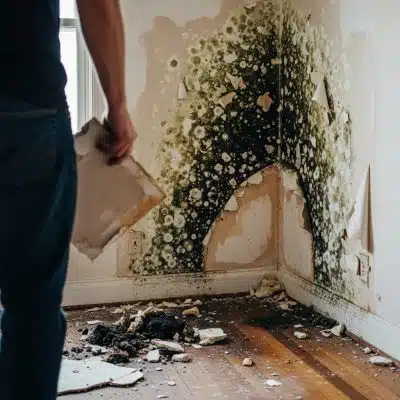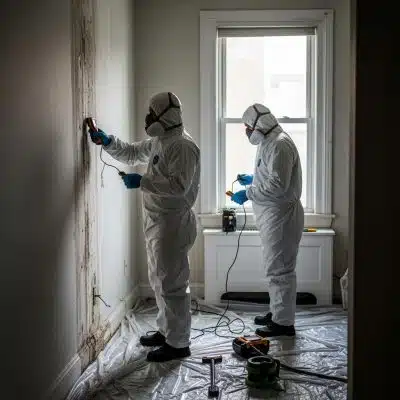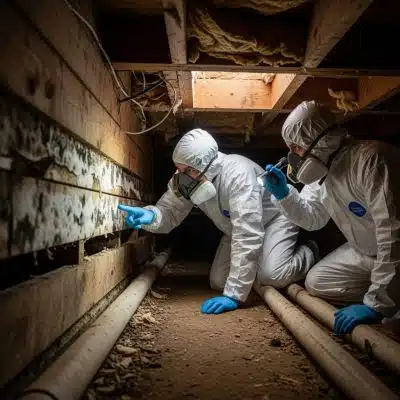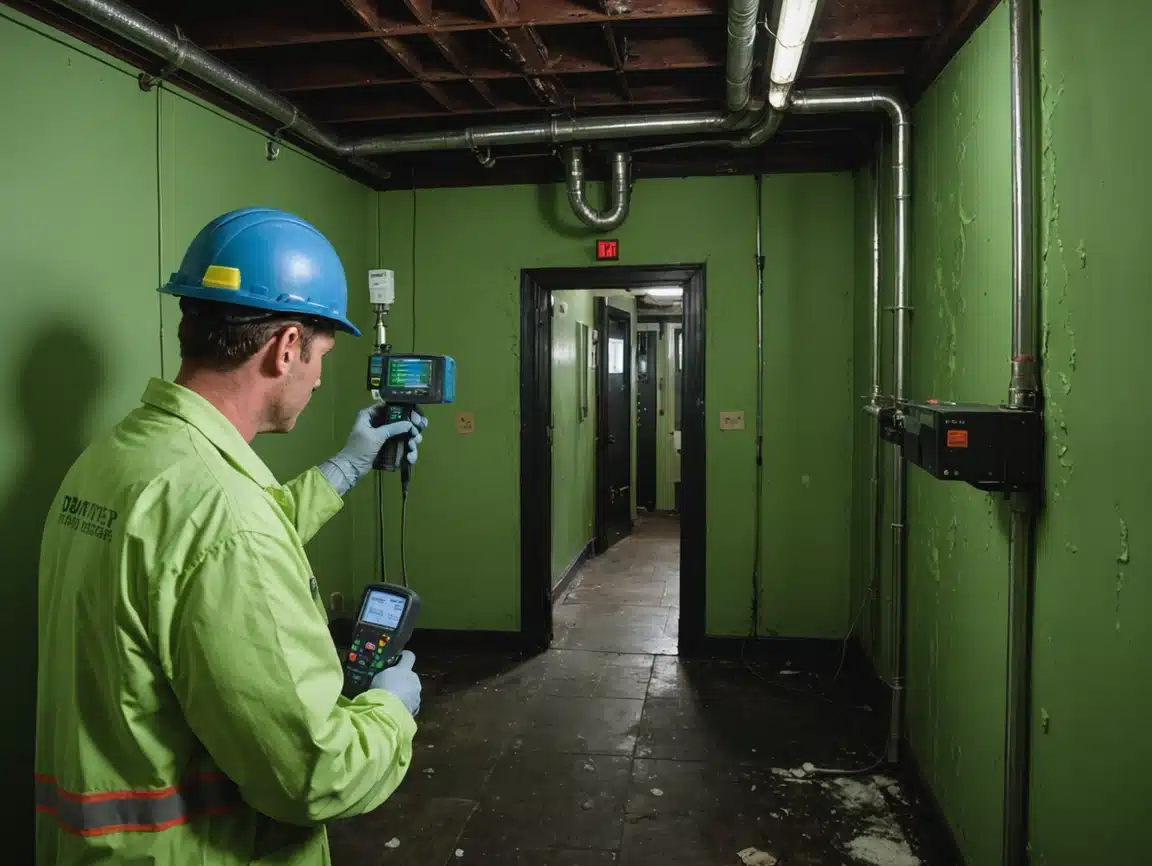
Mold problems rarely begin as obvious, wall-to-wall contamination. In most buildings, mold starts quietly—behind drywall, beneath flooring, inside HVAC components, or around concealed plumbing—and expands as long as moisture remains available. That is why professional mold identification and disciplined mold containment are not optional steps; they are the difference between a controlled, targeted correction and a costly, building-wide disruption.
DASO Green Technologies is a professional environmental remediation company serving New York City, Long Island, and Westchester. Their approach is built around advanced diagnostics, NYS-compliant assessments, and engineering-grade containment designed to stop mold spread at the source. Below is a detailed explanation of what mold is, why it grows, how it spreads, and how DASO’s field-proven workflow brings projects from uncertainty to clearance with precision.
What Mold Is—and Why It Grows Indoors
Mold is a type of fungus that reproduces by releasing microscopic spores into the air. These spores are present in indoor and outdoor environments at all times. Mold becomes a problem when spores land on a suitable surface and encounter the conditions needed to germinate and colonize. The primary driver is moisture—from leaks, humidity, flooding, condensation, or poor ventilation.
Common Indoor Conditions That Trigger Mold
- Water intrusion: roof leaks, façade leaks, window failures, basement seepage, flooding events.
- Plumbing issues: pinhole leaks, supply-line failures, drain backups, faulty seals around tubs and sinks.
- Humidity and condensation: poor ventilation in bathrooms/kitchens, cold surfaces, thermal bridging, overcooled spaces.
- Wet building materials: damp drywall, insulation, carpeting, and wood framing that stays wet beyond 24–48 hours.
In short: mold is not “random.” When mold is visible, there is typically an underlying moisture story that must be identified and corrected.
How Mold Spreads—and Why the Risk Escalates Quickly
Mold spreads primarily through airborne spores and fragmented particles. When contaminated materials are disturbed—by demolition, HVAC airflow, foot traffic, or even aggressive cleaning—spores can become aerosolized and migrate to clean areas. If those areas also have moisture, new growth can occur.
Health and Property Risks of Mold
- Health concerns: allergic reactions, asthma exacerbation, respiratory irritation, and heightened sensitivity in immunocompromised individuals.
- Indoor air quality impact: musty odors, elevated spore counts, and persistent irritation can indicate broader contamination.
- Structural and material damage: deterioration of drywall, wood, insulation, ceiling tiles, and finishes; recurring staining and warping.
- Cost amplification: delayed response often expands the affected footprint and increases demolition and reconstruction scope.
Early detection and disciplined containment are therefore critical. The objective is not merely to remove visible mold, but to identify the source conditions and prevent cross-contamination.
Advanced Mold Identification: How DASO Finds the True Source
Many mold problems persist because the initial investigation stops at what can be seen. DASO Green Technologies treats moisture detection and building science as the foundation of effective remediation. Their diagnostic toolbox is designed to locate hidden moisture pathways, confirm the presence of contamination, and document conditions for a defensible remediation plan.
1) Moisture Mapping (Targeted Moisture Detection)
Moisture mapping uses professional-grade moisture meters and systematic scanning to identify wet or elevated-moisture building materials. DASO maps readings across walls, ceilings, floors, and suspect building assemblies to pinpoint the most likely growth zones. This is central to accurate mold identification and helps prevent unnecessary demolition.
2) Infrared Scanning (Thermal Imaging)
Infrared scanning reveals thermal anomalies that often correlate with moisture—such as cold spots from evaporative cooling or temperature differentials caused by wet materials. While infrared alone does not “see mold,” it can rapidly prioritize investigative areas and narrow down leak pathways, particularly in complex NYC building layouts.
3) Lab Testing (When Data Must Be Confirmed)
When conditions warrant objective verification, DASO coordinates accredited laboratory analysis to identify fungal types and support project decisions. Lab work is especially valuable for disputes, real estate transactions, post-flood conditions, or when occupants report symptoms but visible growth is minimal.
4) Air Quality Sampling
Air sampling can help evaluate airborne spore concentrations and compare indoor samples to outdoor baselines. In a professional NYC mold assessment, air data can support decision-making about containment, HVAC controls, and whether adjacent areas are being impacted.
5) Surface Sampling
Surface sampling can confirm suspected growth on building materials, contents, or HVAC components. It is often used when there is discoloration that could be microbial or non-microbial, or when a documented chain of evidence is required.
6) Full NYS-Compliant Mold Assessments
DASO Green Technologies performs NYS-compliant mold assessments aligned with established New York requirements and best practices. This professional approach emphasizes clear documentation, defined scope, and a plan that is appropriate to the building type—whether a Manhattan high-rise unit, a Long Island single-family home, or a Westchester commercial facility.
Stopping Mold Spread: DASO’s Containment and Prevention Techniques
Effective remediation is as much about controlling airflow and particles as it is about removing impacted materials. DASO uses layered controls to achieve true mold containment and to stop mold spread beyond the work zone.
Physical Containment
Work areas are isolated using critical barriers and sealed containment zones. This reduces the risk of spores migrating into occupied or clean spaces and is particularly important in multi-unit NYC buildings where shared corridors and shafts can transmit contaminants.
Negative Air Pressure
Negative pressure containment ensures air flows into the contained area (not outward). This is achieved with properly sized negative air machines and monitored pressure differentials—an essential practice used by mold remediation experts on high-stakes projects.
HEPA Filtration
HEPA-filtered air scrubbers capture fine particulate matter, including spores and fragments. DASO integrates HEPA filtration both within containment and, when appropriate, as part of broader air-cleaning strategies during and after remediation.
Antimicrobial Applications
Antimicrobials may be used where appropriate to treat remaining microbial residues after removal of unsalvageable materials. DASO applies products strategically, based on material type, exposure, and project goals—never as a substitute for proper removal and moisture correction.
Controlled Demolition and Debris Handling
Improper demolition is one of the fastest ways to spread contamination. DASO uses controlled removal methods, careful bagging and transport protocols, and HEPA-assisted cleaning to keep the work zone clean and protect adjacent areas.
Source Moisture Correction (The Non-Negotiable Step)
Mold will return if moisture remains. DASO prioritizes correcting the moisture source—leak repair coordination, drying strategy, ventilation improvement, or building-envelope recommendations—so the remediation is durable, not temporary. This is a defining feature of high-quality Long Island mold remediation and NYC remediation alike: fix the conditions, not just the symptoms.
The DASO Step-by-Step Workflow: From Assessment to Clearance
DASO Green Technologies follows a structured, professional process designed to deliver clarity, control, and verifiable results.
Step 1: Initial Consultation and Site Review
- Review occupant concerns, building history, and any prior water events
- Visual inspection of suspect areas and likely moisture pathways
Step 2: Diagnostic Investigation
- Moisture mapping and targeted moisture detection
- Infrared scanning to locate concealed anomalies
- Air and surface sampling when appropriate
- Documentation consistent with NYC mold assessment needs and NYS compliance
Step 3: Scope Development and Remediation Plan
- Define affected and potentially affected areas
- Determine containment level, equipment requirements, and removal strategy
- Coordinate moisture-source correction steps
Step 4: Containment Setup and Engineering Controls
- Install physical barriers and establish negative air pressure
- Deploy HEPA filtration sized for the space and conditions
- Implement site safety and cross-contamination controls
Step 5: Remediation and Cleaning
- Controlled demolition of unsalvageable materials
- HEPA vacuuming and detailed cleaning of remaining surfaces
- Antimicrobial application where appropriate
Step 6: Drying, Verification, and Clearance Coordination
- Confirm moisture levels are returned to acceptable ranges
- Support post-remediation verification/clearance as required
- Remove containment only after conditions indicate it is safe to do so
Certifications, Expertise, and Professional Standards
DASO Green Technologies operates with a professional remediation mindset: methodical assessment, defensible documentation, and strict containment practices. Their team’s training and certifications support consistent execution across residential, commercial, and multi-unit properties. Clients benefit from an approach that reflects industry standards and New York requirements, with an emphasis on accuracy, occupant safety, and long-term prevention.
When to Call DASO Green Technologies Immediately
Time is a critical variable in mold outcomes. Contact DASO promptly if any of the following occur:
- A leak persists or returns after a repair (recurring moisture is a major red flag)
- You notice musty odors, especially after HVAC runs or humidity spikes
- There is discoloration on drywall, ceilings, baseboards, or around windows
- You experienced a flood, drain backup, or storm intrusion within the past days/weeks
- Condensation is visible on cold surfaces or inside wall cavities
- Occupants report allergy-like symptoms that improve when leaving the building
- A property transaction requires documented mold identification and professional findings
Why Early Detection and Proper Containment Matter
Without early intervention, mold transitions from a localized moisture issue into an airborne contamination and materials-damage problem. The correct sequence is essential: identify the source, contain the work area, remediate with controlled methods, and verify conditions before returning the space to normal use. DASO’s combination of advanced diagnostics and disciplined mold containment is designed to protect both health and property—and to stop mold spread rather than chase it from room to room.
Schedule a Professional Assessment
If you need a credible NYC mold assessment, expert diagnostics in Westchester, or Long Island mold remediation performed with strict containment and proven methods, contact DASO Green Technologies today. For professional support from experienced mold remediation experts, call 929-472-3899.