Is Hidden Mold Compromising Your Health and Home?
Indoor air quality is a critical component of a healthy living and working environment, yet it is often the most overlooked aspect of building maintenance. In the dense urban landscapes of New York City, Long Island, and Westchester, properties are frequently subjected to humidity, aging infrastructure, and water intrusion events that create ideal breeding grounds for microbial growth. When mold spores proliferate, they do not merely sit on surfaces; they become airborne, significantly degrading the air you breathe.
At DASO Green Technologies, we understand that mold is more than an aesthetic nuisance—it is a serious environmental hazard. Recognizing the signs that mold indoor air quality issues are present is the first step toward protecting your property and the health of its occupants.
The Hidden Dangers of Poor Indoor Air Quality
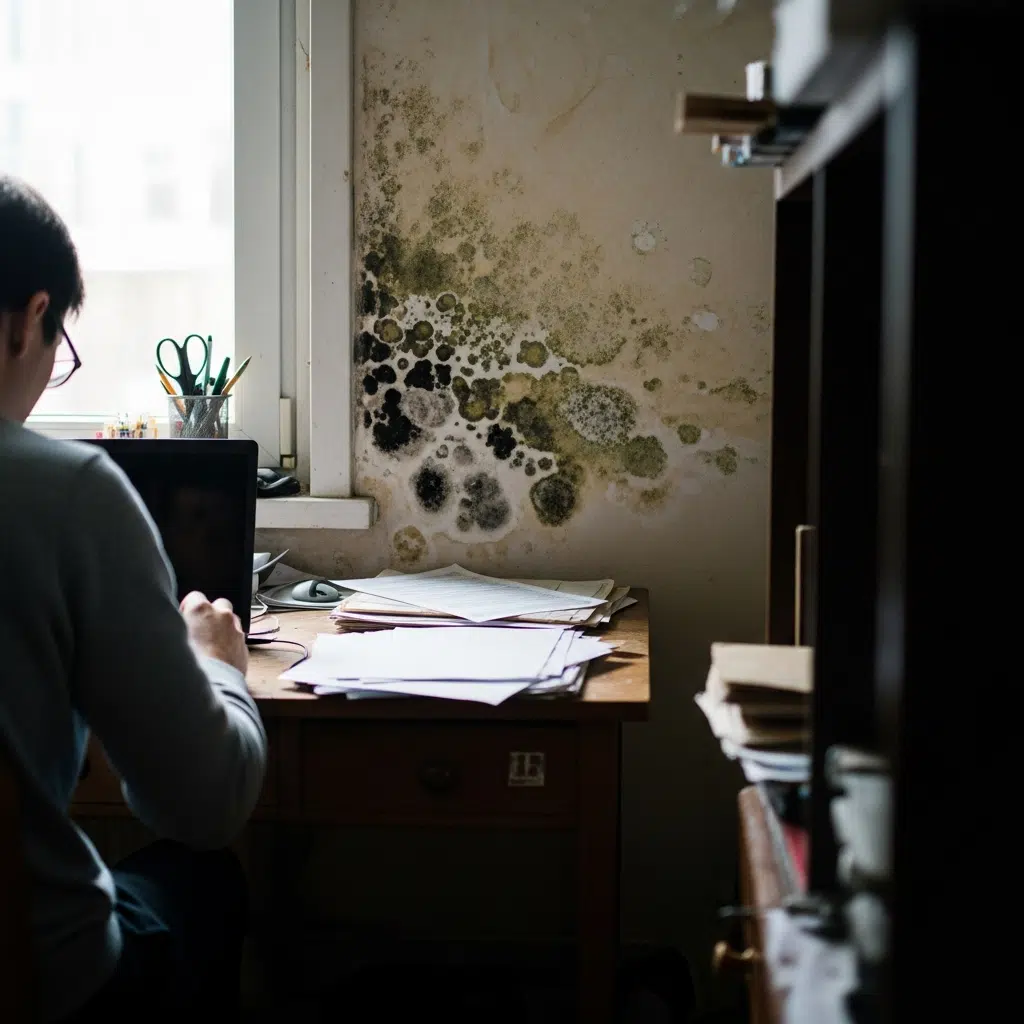
Mold spores are microscopic and ubiquitous in the natural environment. However, when they find a moisture source indoors, they colonize and release mycotoxins and allergens into the air. For homeowners, property managers, and business owners, the risks are twofold: structural damage and health implications. Prolonged exposure to mold-contaminated air can exacerbate respiratory conditions, trigger allergic reactions, and lead to “Sick Building Syndrome” in commercial facilities. Furthermore, mold feeds on organic building materials, compromising the structural integrity of drywall, insulation, and wood framing over time.
Critical Signs of Mold Contamination
Identifying mold requires vigilance. While some infestations are visible, many dangerous colonies lurk behind walls, under flooring, or within ventilation systems. If you notice any of the following indicators, immediate professional assessment is required.
1. Persistent, Unexplained Odors
One of the earliest indicators of a microbial issue is a distinct smell. Musty odor causes are almost invariably linked to the presence of active mold growth or stagnant water. If a room smells earthy, damp, or stale despite regular cleaning and ventilation, it suggests that mold colonies are releasing volatile organic compounds (VOCs) into the air. This odor is often the only warning sign before visible growth appears.
2. Respiratory Distress and Allergy Symptoms
If occupants experience coughing, sneezing, eye irritation, or headaches that seem to worsen when inside the building and subside when they leave, the indoor air quality is likely compromised. These symptoms often indicate that the HVAC system is circulating spores throughout the property.
3. HVAC Mold Contamination
Your heating and cooling system acts as the lungs of your building. Unfortunately, it can also act as a superhighway for mold spores. HVAC mold contamination occurs when moisture accumulates in ducts or near coils. If you see dust buildup on vents that appears damp or has a distinct pattern of growth, or if a musty smell activates when the AC turns on, professional remediation is necessary to prevent the system from spreading contamination to every room.
Recommended Industry Resource
Understanding the technology behind moisture detection can help property owners appreciate the complexity of true environmental assessment. Professionals utilize advanced thermal imaging to detect moisture variances that the naked eye cannot see.
For those interested in understanding the caliber of diagnostic tools used in building inspections, the FLIR Thermal Moisture Meter serves as a prime example of industry-standard technology. This device combines thermal imaging with moisture detection to locate hidden water issues behind walls and under floors. While purchasing professional-grade equipment provides insight into building diagnostics, please note that interpreting data and safely removing mold requires certified expertise. This tool is recommended for educational awareness regarding building maintenance standards and is not a substitute for professional remediation services.
Why Professional Remediation is Non-Negotiable
When faced with potential mold growth, the instinct to attempt a DIY cleanup is dangerous. Bleach and over-the-counter cleaners are ineffective against porous materials and often encourage mold to release more spores as a defense mechanism. Moreover, disturbing a mold colony without proper containment spreads millions of spores into the air, drastically worsening the air quality and contaminating previously clean areas.
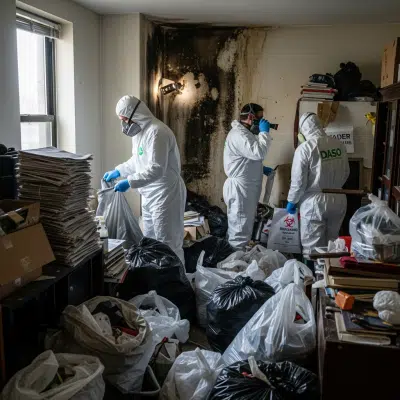
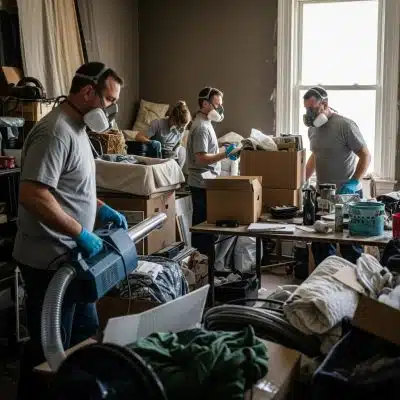
DASO Green Technologies employs certified technicians who adhere to strict industry protocols (IICRC standards). We utilize HEPA filtration, negative air pressure containment, and personal protective equipment (PPE) to ensure that the remediation process does not endanger the building’s occupants.
The DASO Green Technologies Restoration Process
We provide a comprehensive, end-to-end solution for environmental hazards. Our process ensures that the root cause is addressed, and the property is returned to a safe state.
- Assessment and Air Quality Testing: We begin with a thorough inspection using moisture meters and thermal cameras. If necessary, we conduct air quality testing to establish a baseline of spore counts and identify specific mold strains.
- Containment: To prevent cross-contamination, we seal off the affected area using heavy-duty plastic sheeting and establish negative air pressure.
- Remediation: Contaminated materials (drywall, insulation, carpeting) are safely removed and disposed of according to environmental regulations.
- Cleaning and Sanitization: We clean structural elements using antimicrobial treatments and HEPA vacuuming to remove surface spores.
- Restoration: Unlike simple cleaning companies, we handle the reconstruction, restoring your property to its pre-loss condition.
- Post-Service Verification: We conduct final inspections to guarantee that humidity levels are stable and air quality is restored to safe levels.
When to Call a Professional Immediately
Time is of the essence when dealing with water damage and mold. Homeowners and property managers in NYC, Long Island, and Westchester should contact DASO Green Technologies immediately if:
- There has been a recent flood, leak, or sewage backup.
- Visible mold covers an area larger than 10 square feet.
- Occupants are immune-compromised or suffering severe respiratory issues.
- You suspect water damage behind tiled walls or under floorboards.
Trust, discretion, and compliance are the pillars of our service. We protect your property value and your health with rapid response times and surgical precision.
Restore Your Indoor Air Quality Today
Do not gamble with your health or the structural integrity of your property. If you suspect mold indoor air quality issues, contact the experts at DASO Green Technologies. We serve New York City, Long Island, and Westchester with professionalism and urgency.
Call us now at 929-472-3899 for an assessment.