Can Mold Grow in the Winter? Yes — Here’s Why
A common misconception among property owners in New York City, Long Island, and Westchester is that mold is strictly a summer problem. The assumption is that cold weather kills mold spores or causes them to go dormant. Unfortunately, the reality is starkly different. Mold growth in winter is not only possible; in many cases, it is more aggressive and dangerous due to the way we manage our indoor environments during the colder months.
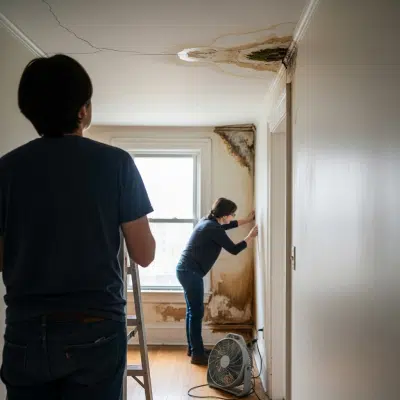
At DASO Green Technologies, we frequently respond to severe fungal infestations during the winter season. Understanding why this occurs and acknowledging the risks to indoor air quality and structural integrity is the first step in protecting your property. If you suspect contamination, professional intervention is required to safely mitigate the issue.
The Mechanics of Indoor Mold Growth in Winter
While outdoor mold counts may drop when temperatures freeze, indoor environments operate differently. Fungal growth requires three main elements: a food source (organic building materials like drywall or wood), oxygen, and moisture. In the winter, your heating system provides a stable temperature, but the moisture dynamics change drastically.
Condensation Mold: The Silent Culprit
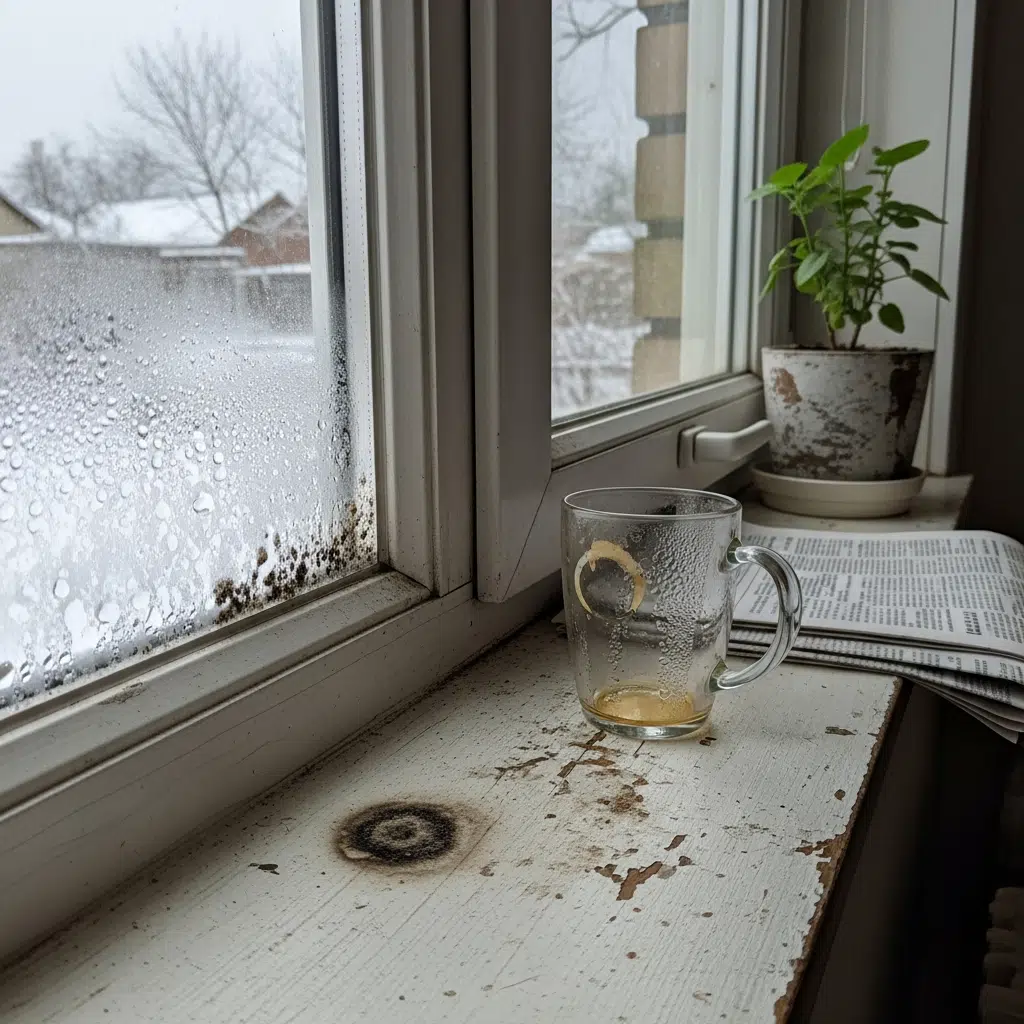
The primary driver of winter infestation is the temperature differential between the freezing outdoors and the heated indoors. When warm, humid indoor air comes into contact with cold surfaces—such as uninsulated walls, windows, or attics—moisture condenses. This phenomenon creates condensation mold.
Because homes in the Northeast are sealed tightly to conserve heat, ventilation is often reduced. This traps humidity from cooking, showering, and breathing inside the structure, feeding mold colonies that can spread rapidly behind walls and under floorboards.
Why Professional Remediation is Non-Negotiable
Discovering mold requires immediate action, but it is not a Do-It-Yourself project. Attempting to scrub visible mold with bleach is ineffective on porous materials and often exacerbates the problem by releasing mycotoxins and spores into the air. Furthermore, surface mold is often just the visible tip of a deeper structural issue.
DASO Green Technologies employs certified technicians who understand the building science required to remediate mold safely. Without professional containment and negative air pressure, attempting to remove mold can contaminate your HVAC system and spread spores to unaffected rooms.
Recommended Industry Resource
For homeowners interested in understanding preventative maintenance and surface management for non-porous areas, effective solutions do exist that avoid harsh chemicals. While no product replaces professional remediation for structural infestations, keeping surfaces clean is part of good property hygiene.
We recognize Concrobium Mold Control as a useful industry solution. This EPA-registered formula is designed to eliminate surface mold and prevent regrowth on hard surfaces without the use of bleach, ammonia, or VOCs. It serves as an excellent resource for surface maintenance, though it is vital to remember that it does not substitute for a professional inspection if mold has penetrated drywall or insulation.
The DASO Green Technologies Restoration Process
When you contact us for mold inspection services and remediation, we follow a rigorous, industry-standard protocol designed to ensure the safety of your family or employees.
1. Assessment and Inspection
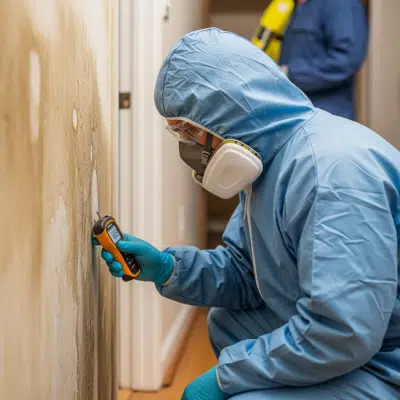
Our process begins with a comprehensive evaluation using thermal imaging and moisture meters to locate hidden moisture sources and define the scope of the damage.
2. Containment
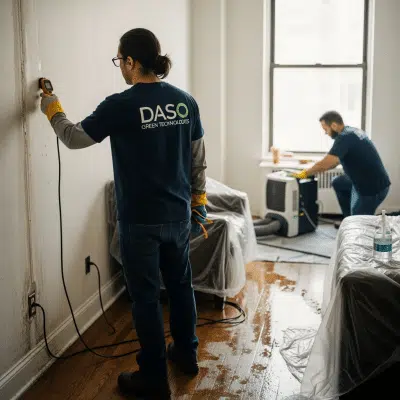
To prevent cross-contamination, we erect physical barriers and utilize negative air machines with HEPA filtration. This ensures that spores disturbed during the work area do not escape into the rest of the property.
3. Remediation and Removal
Contaminated porous materials that cannot be salvaged are safely removed and disposed of in accordance with environmental regulations. Non-porous surfaces are treated with antimicrobial agents.
4. Cleaning and Sanitization
We utilize advanced HEPA vacuuming techniques and air scrubbing technology to clean the air and surfaces, removing microscopic particulate matter.
5. Restoration
Once the mold is gone, our team restores your property to its pre-loss condition, handling necessary repairs to walls, flooring, and finishes.
6. Post-Service Verification
We do not consider the job complete until verification confirms that the indoor environment has returned to safe levels.
Trust the Experts in Environmental Services
Mold poses serious risks to respiratory health and property value. If you notice a musty odor, water stains, or visible growth, do not wait for the spring thaw. The damage will only escalate.
DASO Green Technologies serves residential and commercial clients across New York City, Long Island, and Westchester with discretion, professionalism, and speed. We possess the certifications, insurance, and specialized equipment necessary to handle bio-contaminants safely.
Protect your health and your property. Contact us immediately for a consultation.
Call DASO Green Technologies today: 929-472-3899