Ceiling Water Damage: When Drying Isn’t Enough
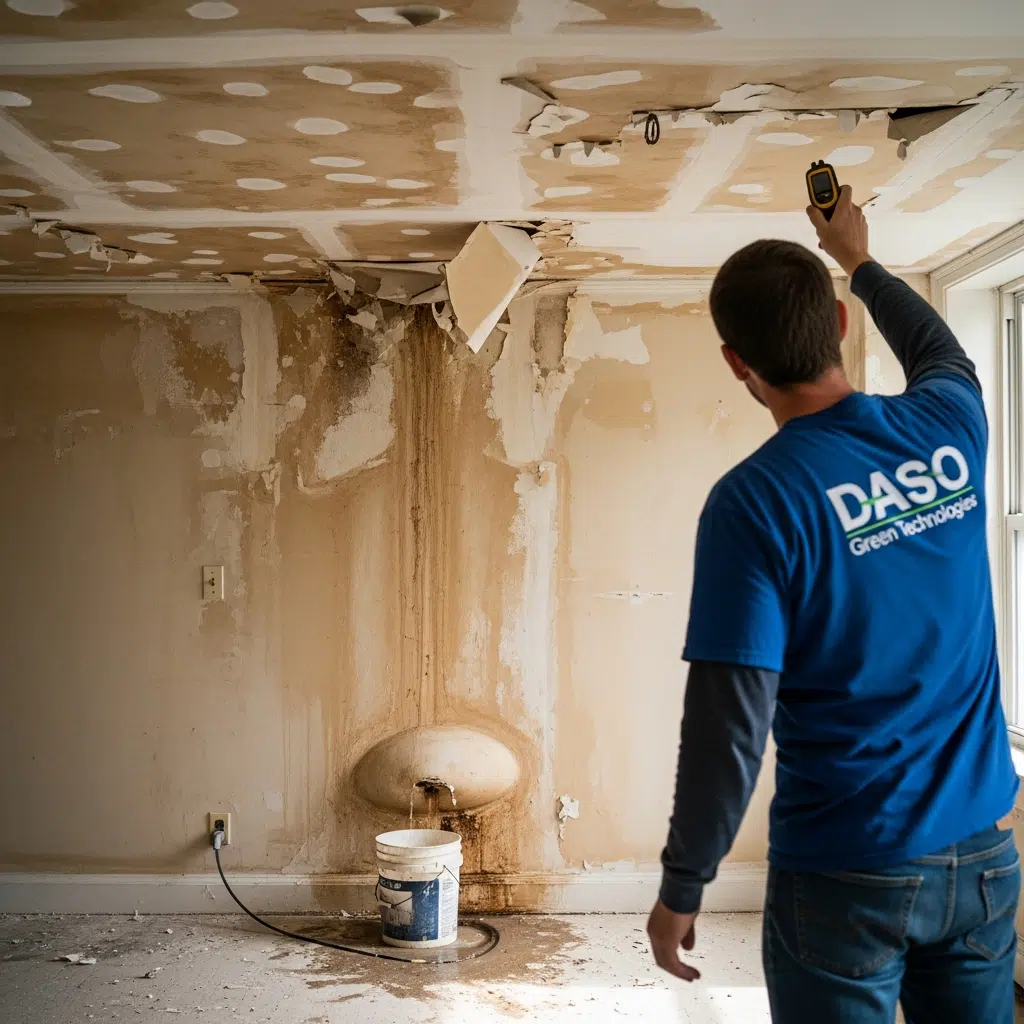
Water intrusion creates complex challenges for property owners, particularly when it affects ceiling structures. Unlike visible flooring damage, ceiling water damage often manifests slowly, hiding significant structural and environmental hazards behind paint and drywall. A simple discoloration or a slight sag is rarely the extent of the problem; it is often the only visible symptom of a much larger issue occurring within the structural cavity.
At DASO Green Technologies, we understand that effective ceiling water damage repair requires far more than surface-level drying. For residents and businesses across New York City, Long Island, and Westchester, understanding the gravity of these issues is the first step toward protecting property integrity and occupant health.
The Structural Risks of Ceiling Saturation
The architecture of a ceiling—whether plaster, drywall, or suspended tile—is not designed to bear the weight of standing water. When a pipe bursts, a roof leaks, or a bathroom above overflows, water pools on the upper surface of the ceiling material. Drywall water damage compromises the structural rigidity of the material almost immediately. As the gypsum core absorbs moisture, it becomes heavy and pliable.
The immediate risk is a ceiling collapse. This poses a severe physical threat to anyone in the room below and can result in significant damage to furniture, electronics, and flooring. Furthermore, water traveling through ceiling cavities often interacts with electrical wiring and light fixtures, creating immediate fire hazards and shock risks. Professional intervention is necessary to de-energize affected circuits and safely remove compromised materials.
The Hidden Threat: Microbial Growth
Perhaps the most insidious consequence of ceiling water leaks is the rapid development of mold. The space between the ceiling and the floor above (the joist cavity) is often dark, insulated, and poorly ventilated. When moisture is introduced to this environment, it creates a perfect incubator for fungal growth. Mold spores can germinate within 24 to 48 hours of water exposure.
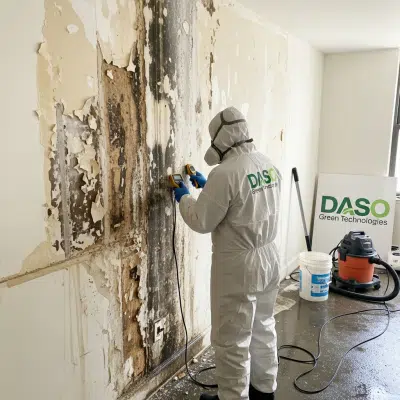
Surface cleaning is ineffective against mold growing on the porous backside of drywall or insulation. A comprehensive hidden mold inspection is required to determine the extent of the contamination. Without professional remediation, mold can release spores into the HVAC system and general air supply, significantly degrading indoor air quality and posing health risks to occupants.
Recommended Industry Resource
Managing humidity levels is a crucial component of maintaining a healthy indoor environment and preventing secondary moisture issues in large spaces such as basements or storage areas. For property managers and homeowners seeking robust environmental control solutions to support long-term air quality, high-capacity equipment is often necessary.
The ALORAIR Commercial Dehumidifier is an industry-aligned tool designed for large-scale moisture removal. While it does not replace the need for professional demolition and remediation of water-damaged structural materials, high-efficiency units like this play a vital role in stabilizing environments and maintaining optimal humidity levels to deter future microbial growth.
Why Professional Remediation is Non-Negotiable
Homeowners are often tempted to address ceiling stains with DIY methods, such as painting over the spot or using domestic fans. These approaches are dangerous. Paint traps moisture inside the wall cavity, accelerating rot and mold growth. Domestic fans lack the static pressure required to dry dense structural wood framing.
Furthermore, older properties in NYC and Westchester may contain hazardous materials such as lead or asbestos in ceiling textures and joint compounds. Disturbing these materials without proper containment and personal protective equipment (PPE) constitutes a serious health violation and safety risk.
The DASO Green Technologies Protocol
As a leader in water damage restoration NYC, DASO Green Technologies utilizes a rigorous, scientific approach to ceiling restoration. Our process ensures that both the visible damage and the hidden threats are neutralized.
1. Assessment and Inspection
We begin with a thorough evaluation using thermal imaging cameras and moisture meters to map the migration of water. We identify the source of the leak and determine the structural stability of the ceiling.
2. Containment and Safety
To prevent the spread of mold spores and dust, we establish containment zones using heavy-duty plastic sheeting. Negative air machines equipped with HEPA filters are utilized to scrub the air, ensuring contaminants do not migrate to unaffected areas of the property.
3. Controlled Demolition and Remediation
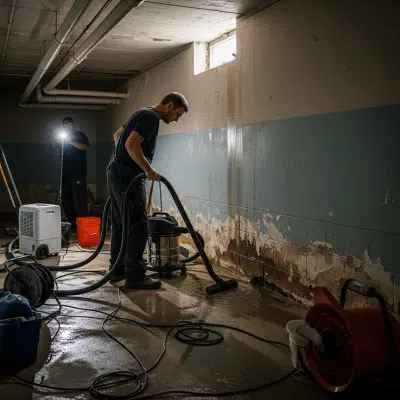
Saturated drywall, insulation, and compromised building materials are carefully removed and disposed of in accordance with environmental regulations. This step is critical to access the joists and subflooring for proper drying.
4. Structural Drying and Cleaning
We deploy industrial-grade air movers and dehumidifiers to extract moisture from wood framing and concrete. Antimicrobial treatments are applied to inhibit mold growth and sanitize the affected area.
5. Restoration and Verification
Once the structure meets dry standards, restoration begins. We conclude with post-service verification to certify that the area is dry, clean, and safe for occupancy.
Contact Us for Immediate Assistance
Time is the most critical factor in mitigating ceiling water damage. Waiting allows structural damage to worsen and mold to spread. Trust the experts at DASO Green Technologies to handle the situation with discretion, professionalism, and speed.
If you suspect a leak or see signs of ceiling damage in New York City, Long Island, or Westchester, call us immediately at 929-472-3899.