The Critical Window: How Fast Mold Can Grow After Water Damage
Water intrusion is among the most urgent threats a property owner can face. Whether caused by a burst pipe, a leaking roof, or catastrophic flooding, the presence of uncontrolled moisture triggers a biological clock. The primary concern for homeowners and property managers in New York City, Long Island, and Westchester is not merely the water itself, but the rapid secondary damage it causes—specifically, microbial growth.
Many individuals underestimate the speed at which fungal colonies establish themselves. Mold growth after water damage is not a process that takes weeks; it is an immediate reaction to favorable environmental conditions. Understanding this timeline is essential for mitigating health risks and preventing structural devastation. At DASO Green Technologies, we emphasize that rapid intervention is the only way to effectively halt this process.
The 24-to-48-Hour Critical Window
The scientific reality of fungal biology dictates a strict timeline. Microscopic mold spores exist naturally in the air and on surfaces throughout our environment. These spores are generally harmless in a dry state. However, when introduced to moisture, oxygen, and an organic food source (such as drywall, wood, or insulation), they germinate rapidly.
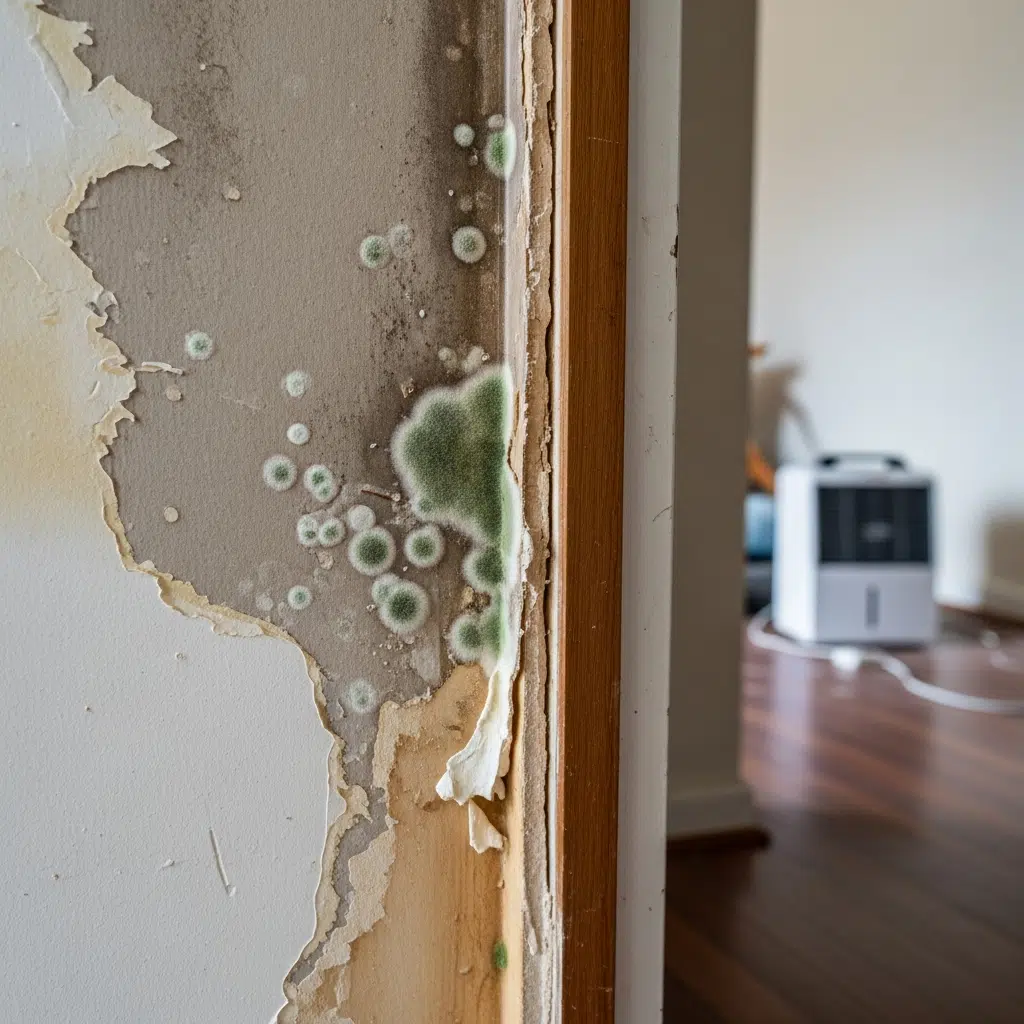
Within just 24 to 48 hours of water exposure, spores activate and begin to colonize. This is the water damage mold timeline professionals reference when determining the severity of a loss. By the time visible discoloration appears on walls or ceilings, the infestation is often well-established behind the scenes, penetrating porous materials where surface cleaning cannot reach.
Stages of Growth
- 0–24 Hours: Moisture saturates materials. Spores settle and begin the germination phase. There are often no visible signs, but the clock is ticking.
- 24–72 Hours: Hyphae (root-like structures) begin to penetrate porous materials. Musty odors may develop. This is the crucial window for emergency drying services.
- 4–10 Days: If untreated, mold becomes clearly visible. Colonization spreads to adjacent areas. Health risks to occupants increase significantly.
- 10+ Days: Long-term exposure leads to severe structural degradation. Professional remediation becomes more complex and invasive.
Health and Structural Risks of Delayed Action
Ignoring water intrusion or attempting to dry it without professional equipment poses severe risks. Environmentally, the proliferation of mold compromises indoor air quality (IAQ). For individuals with respiratory conditions, allergies, or compromised immune systems, the presence of mycotoxins—substances produced by certain mold species—can be hazardous.
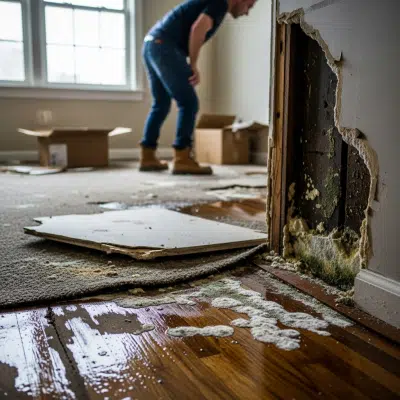
Structurally, mold feeds on cellulose. As it digests drywall, flooring, and framing, it compromises the integrity of the building. In historic properties often found in Westchester and parts of Long Island, this damage can be irreversible if not addressed immediately.
Why Professional Remediation is Non-Negotiable
Effective mold management is not a DIY project. Store-bought bleach products often fail to penetrate porous surfaces, removing only the surface discoloration while leaving the root structure intact. Furthermore, improper handling of moldy materials can cross-contaminate the entire property, spreading spores into the HVAC system and unaffected rooms.
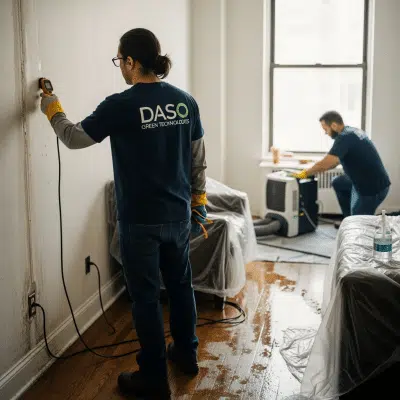
DASO Green Technologies employs certified technicians who understand building science. We utilize industrial-grade dehumidifiers, air scrubbers, and moisture detection tools to ensure the structure is truly dry, not just dry to the touch.
The DASO Green Technologies Restoration Process
When you contact us regarding mold after flooding or plumbing failures, we deploy a rigorous, industry-standard protocol designed to restore safety and compliance.
1. Comprehensive Assessment
Our technicians use thermal imaging and moisture meters to map the extent of the water migration. We identify the source of the moisture and determine the category of water (clean, gray, or black) to dictate the safety protocol.
2. Containment
To prevent cross-contamination, we establish physical containment barriers using heavy-duty plastic sheeting. We utilize negative air pressure machines to ensure spores disturbed during remediation do not escape into clean areas of the property.
3. Remediation and Removal
Contaminated porous materials that cannot be salvaged (such as saturated drywall or carpet padding) are safely removed and disposed of according to environmental regulations. Semi-porous and non-porous materials are treated with antimicrobial agents.
4. Cleaning and Sanitization
We clean structural elements using HEPA vacuuming and damp wiping with EPA-registered fungicides. This step ensures that surface spores are physically removed from the environment.
5. Emergency Drying and Restoration
Using commercial air movers and dehumidifiers, we draw remaining moisture out of the building materials. Once the structure meets dry standards, restoration—replacing drywall, painting, and flooring—begins to return the property to its pre-loss condition.
6. Post-Service Verification
We do not guess; we verify. Post-remediation testing ensures that the indoor environment has returned to normal fungal ecology levels.
Recommended Industry Resource
Maintaining high indoor air quality is essential, especially after environmental incidents or for general preventative care in sensitive environments. While no device replaces professional remediation for active infestations, high-quality filtration can support long-term air hygiene.
The KNKA Air Purifier is a robust option designed for large spaces up to 3,500 square feet. It features a wash-free pre-filter and HEPA filtration capabilities, which are standard in the industry for capturing airborne particulates, including dust, pollen, and lingering spores. Units like this are excellent for maintaining air quality in homes or offices following professional restoration services.
When to Call a Professional Immediately
Property owners in NYC, Long Island, and Westchester should contact DASO Green Technologies immediately under the following scenarios:
- Storm Damage: After heavy rains or hurricanes where basement flooding has occurred.
- Plumbing Failures: Burst pipes or sewage backups require immediate emergency drying services.
- Visible Growth: If you see colonies forming on walls, baseboards, or ceilings.
- Musty Odors: A persistent earthy smell often indicates hidden moisture behind walls.
Trust DASO Green Technologies for Your Environmental Needs
Time is the enemy of restoration. The difference between a minor cleanup and a major gut-renovation often comes down to how quickly you react within that first 48-hour window. We pride ourselves on discretion, compliance, and unwavering professionalism.
If you suspect mold growth after water damage, do not wait for the problem to escalate. Protect your health and your investment.
Contact DASO Green Technologies today.
Serving New York City, Long Island, and Westchester.
Call us at 929-472-3899