Why Moisture Control Is the Key to Preventing Mold and Water Damage
In the dense urban environments of New York City and the sprawling residential areas of Long Island and Westchester, property owners face a constant battle against the elements. Water intrusion, whether from sudden storm surges, burst pipes, or slow leaks, presents an immediate threat to the structural integrity of a building. However, the most insidious danger often lies not in the visible standing water, but in the uncontrolled moisture that remains absorbed in building materials. At DASO Green Technologies, we emphasize that comprehensive moisture control services are the fundamental defense against catastrophic mold growth and long-term structural decay.
The Silent Threat to Health and Property
When water enters a property, the clock starts ticking immediately. Porous materials such as drywall, insulation, wood, and carpeting act as sponges, retaining moisture long after the visible water has been removed. Without professional moisture detection and remediation, this damp environment becomes a breeding ground for mold spores within 24 to 48 hours.
The risks associated with unchecked moisture extend beyond unsightly stains. Mold infestation compromises indoor air quality, releasing spores and mycotoxins that can trigger severe respiratory issues, allergic reactions, and other health complications. Structurally, persistent moisture leads to dry rot, warping of structural beams, and the degradation of subflooring. For property managers and homeowners, the failure to address moisture dynamics quickly can turn a minor leak into a hazardous environment requiring extensive reconstruction.
Why Professional Intervention Is Non-Negotiable
Many property owners attempt to mitigate water damage using consumer-grade fans or open windows. We must state clearly: DIY methods are insufficient for structural drying. Surface drying does not address water that has migrated behind walls or under flooring. Inadequate drying creates “hidden pockets” of moisture where microbial growth thrives unseen.
Effective restoration requires an understanding of psychrometry—the science of drying. Professional intervention ensures that moisture is removed not just from the surface, but from the core of the building materials. At DASO Green Technologies, our certified technicians utilize industrial-grade air movers and dehumidifiers to manipulate temperature and relative humidity, forcing moisture out of materials so it can be captured and removed.
The DASO Green Technologies Restoration Process
We adhere to a rigorous, scientifically backed protocol to ensure your property is returned to a safe, pre-loss condition. Our dehumidification services are integrated into a comprehensive six-step process:
1. Assessment and Moisture Detection
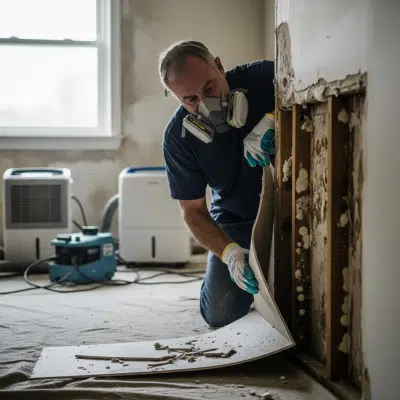
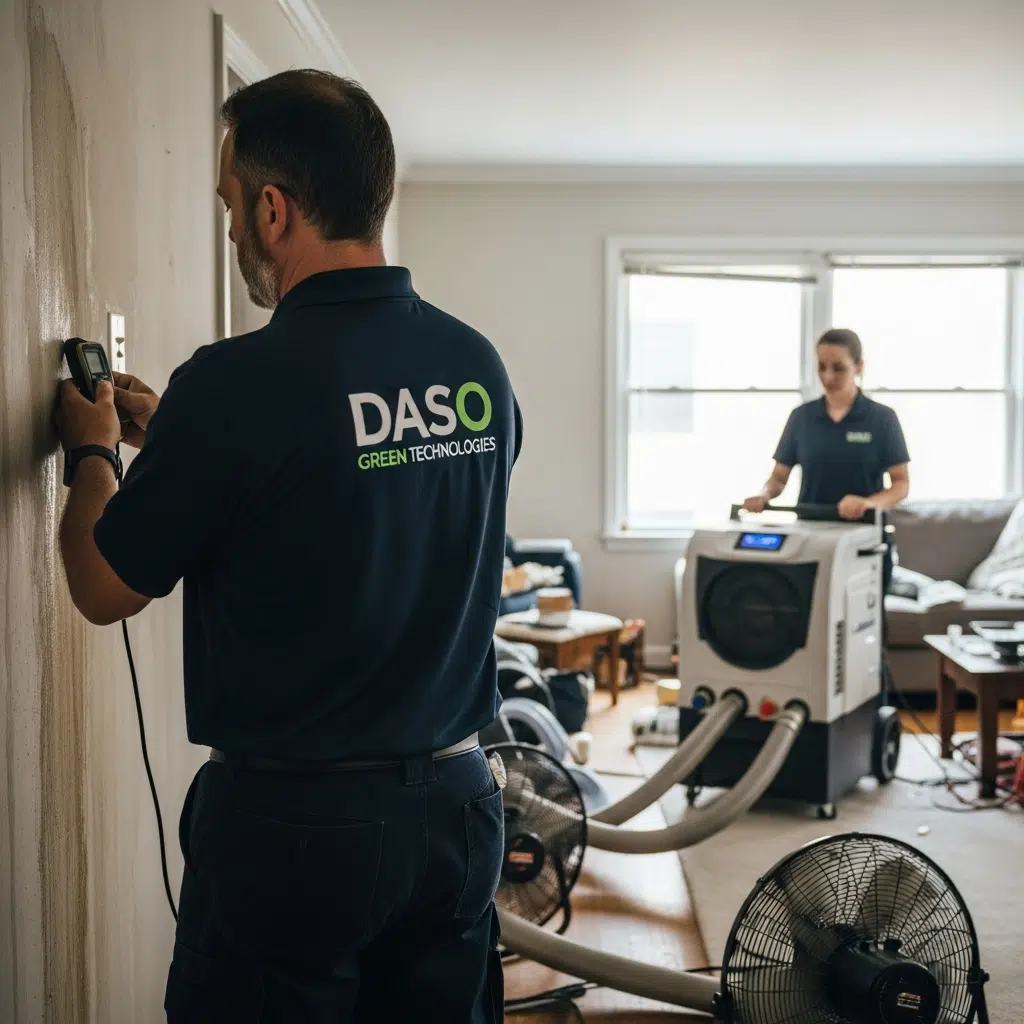
Upon arrival, our technicians employ advanced thermal imaging cameras and hygrometers to map the full extent of water migration. We identify affected areas that are invisible to the naked eye.
2. Containment
To prevent the spread of mold spores or contaminants to unaffected areas of the property, we establish strict physical containment barriers using heavy-duty plastic sheeting and negative air pressure chambers.
3. Remediation and Water Extraction
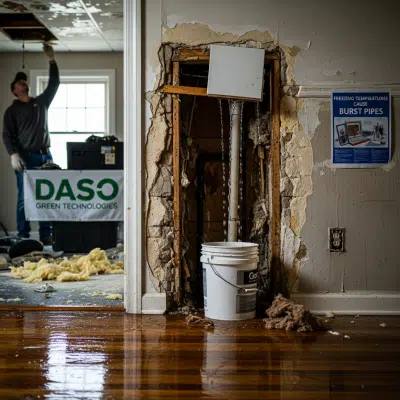
Standing water is extracted immediately using powerful submersible pumps and vacuums. This phase halts the immediate spread of water damage.
4. Structural Drying and Dehumidification
This is the critical phase for moisture control services. We deploy industrial air movers and desiccant or refrigerant dehumidifiers to draw moisture out of structural elements. We monitor data points daily to ensure drying goals are met.
5. Cleaning and Sanitization
Once dried, all surfaces are cleaned and sanitized using EPA-approved antimicrobial treatments to eliminate bacteria and potential mold precursors. This step ensures the hygiene of the space is restored.
6. Post-Service Verification
We do not guess; we verify. A final inspection and moisture reading confirm that the property has reached its dry standard, providing you with documented proof of restoration.
Recommended Industry Resource
While professional restoration is required for active water damage and remediation, maintaining specific humidity levels in your home is a vital preventative measure, particularly in basements or high-humidity areas. For ongoing preventative maintenance in residential settings, the Midea High-Capacity Dehumidifier is a robust tool that can help homeowners regulate indoor humidity.
This unit is designed to extract significant moisture from the air, aiding in the reduction of ambient dampness that often contributes to mold growth. Please note that while this device is excellent for maintaining a healthy baseline environment, it is not a substitute for professional remediation equipment in the event of a flood, leak, or active mold outbreak. If you suspect structural water damage, professional service is mandatory.
When to Contact a Professional Immediately
Time is the critical factor in mitigating loss. You should contact DASO Green Technologies immediately if you experience:
- Storm damage or flooding affecting basements or ground floors.
- Burst pipes or plumbing failures that have saturated walls or ceilings.
- A persistent musty odor, indicating hidden microbial growth.
- Visible discoloration or warping of walls and floors.
Serving New York City, Long Island, and Westchester, we provide rapid, discreet, and compliant services to protect your assets. Do not wait for visible mold to appear. Trust our mold prevention tips and expertise to secure your property.
For immediate emergency response or a professional consultation, call DASO Green Technologies at 929-472-3899.