Mold in Air Ducts: Causes, Risks, and the Importance of Professional Remediation
Indoor air quality is a fundamental component of a safe and healthy living or working environment. However, the HVAC system—the very mechanism designed to circulate air—can become a hidden reservoir for contaminants. Mold in air ducts is a serious environmental hazard that compromises indoor air quality and poses significant health risks to occupants. Unlike visible surface mold, contamination within ductwork often goes undetected until physical symptoms arise or odors become undeniable.
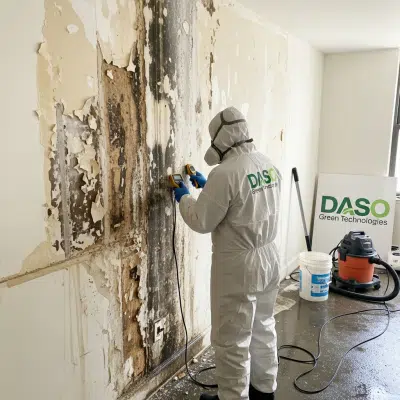
At DASO Green Technologies, we provide comprehensive environmental restoration services across New York City, Long Island, and Westchester. Our certified experts understand that HVAC mold remediation is not merely a cleaning task; it is a complex restoration process requiring containment, specialized filtration, and rigorous adherence to safety standards.
The Silent Threat: Causes of Ductwork Contamination
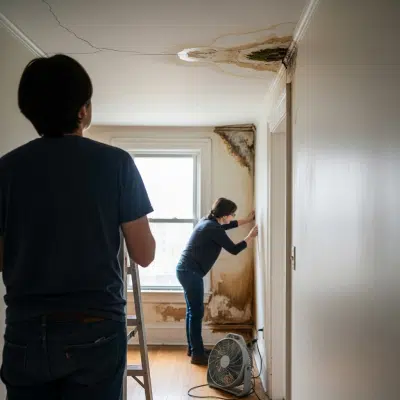
Mold requires moisture, organic matter, and darkness to thrive—conditions frequently found in neglected HVAC systems. Condensation on cooling coils, leaks in the ductwork, or high humidity levels within the building envelope can create the perfect breeding ground for microbial growth. Once established, mold spores are distributed throughout the property every time the heating or cooling system activates.
Common causes of ductwork mold removal requirements include:
- High Humidity: Persistent moisture levels above 60% facilitate rapid spore colonization.
- System Neglect: Clogged filters and dirty coils provide the organic food source mold needs to survive.
- Water Damage: Roof leaks or plumbing failures that introduce water directly into the duct system.
- Poor Ventilation: Inadequate airflow allows moisture to settle and stagnate.
Health Risks and Property Implications
The circulation of mold spores through an HVAC system transforms a localized issue into a property-wide contamination event. For homeowners and business managers, the stakes are high. Exposure to airborne mold can trigger respiratory distress, allergic reactions, and asthma attacks. Individuals with compromised immune systems are at particularly high risk.
Beyond health concerns, mold compromises the structural integrity of the HVAC system itself, leading to reduced efficiency, higher energy costs, and premature system failure. Immediate professional intervention is necessary to halt the spread of contamination.
Recommended Industry Resource
For property owners interested in understanding the fundamental mechanics of indoor air quality and the importance of system hygiene, education is the first line of defense. We recommend reviewing Breathe Clean: A Practical Guide. This resource offers valuable insights into air quality control, helping property owners recognize the importance of maintaining clean environments, though it is not a substitute for professional remediation services.
Why Professional Remediation is Critical
Discovering mold in your vents often tempts property owners to seek DIY solutions. This is a dangerous mistake. Attempting to clean moldy ducts with household cleaners or standard vacuums can disturb settled spores, aerosolizing them and drastically worsening indoor air quality. Effective HVAC mold remediation requires negative air pressure and industrial-grade containment to prevent cross-contamination.
DASO Green Technologies utilizes advanced HEPA air duct cleaning protocols that capture 99.97% of particulates, ensuring that mold is removed, not just displaced.
The DASO Green Technologies Restoration Process
Our approach to environmental services is rooted in science and safety. We follow a strict, multi-step protocol to ensure total eradication of the threat.
1. Assessment and Inspection
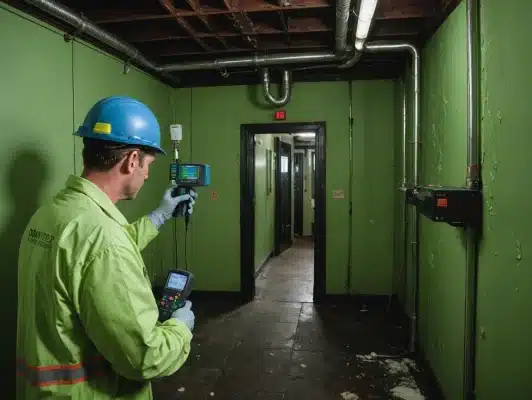
Certified technicians conduct a thorough evaluation of the HVAC system using boroscopes and moisture meters to map the extent of the contamination.
2. Containment
To protect the rest of the property, we establish critical containment barriers. We utilize negative air pressure to ensure that no spores escape the work area during the remediation process.
3. Remediation and Removal
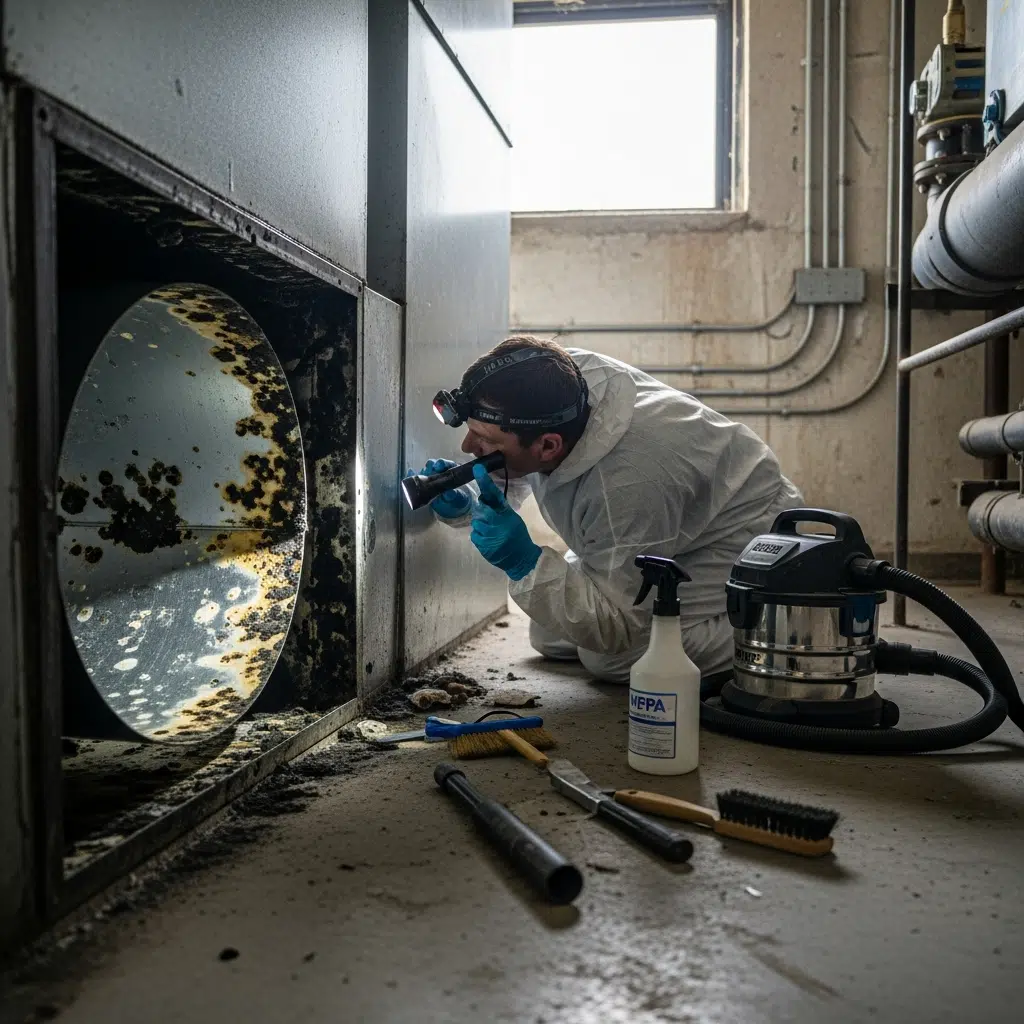
We mechanically remove mold sources using specialized agitation tools and contact vacuums equipped with HEPA filtration. This physical removal is the most critical step in ductwork mold removal.
4. Cleaning and Sanitization
Once physical debris is removed, EPA-registered antimicrobial agents are applied to sanitize the surfaces and inhibit future growth, ensuring the system is biologically clean.
5. Restoration and Encapsulation
In cases where duct insulation is compromised, we remove and replace the material. We may also apply an encapsulate to duct surfaces to seal them against future moisture issues.
6. Post-Service Verification
We do not leave until the job is done. A final inspection ensures that the system is clean, containment is removed safely, and the indoor environment is restored to safe standards.
When to Call DASO Green Technologies
Time is of the essence when dealing with microbial contamination. You should contact us immediately if:
- You smell a persistent musty odor when the HVAC system is running.
- You see visible mold growth on vent covers or around air ducts.
- Occupants experience unexplained headaches, fatigue, or respiratory issues indoors.
- The property has recently suffered water damage or flooding.
DASO Green Technologies delivers rapid, discreet, and compliant environmental services to protect your property and your health. Do not gamble with the air you breathe.
For professional assessment and immediate remediation, contact us today at 929-472-3899.